
Problems That Can Occur in Circuit Card Assembly
Circuit card assembly (CCA) is the process of integrating electronic components into a printed circuit board (PCB) to create a fully functioning electronic device. It includes soldering resistors, capacitors, and integrated circuits to the PCB using automated machines or by hand. It is also known as printed circuit board assembly (PCBA).
There are several different types of circuit cards, including surface-mount devices (SMDs) and through-hole components. SMDs have very short pins or solder balls that are placed on the surface of the circuit board, while THT components have long pins that are inserted through PCB holes and then wave-soldered. SMDs are usually easier to work with and are commonly used in small, low-density products. THT components are typically used in larger, higher-density devices and require more care to assemble.
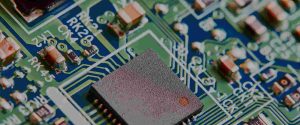
Among the most common materials used in circuit card assembly are FR-4, aluminum, and copper. FR-4 is a National Electrical Manufacturers Association (NEMA) standard flame retardant epoxy glass laminate that has an underlying layer of woven fiberglass fabric and a resin binder. It is typically green but can be produced in other colors as well. This material is suitable for a wide variety of applications, from consumer electronics to industrial electronics. Other popular materials include polyimide, PTFE, and aluminum nitride.
Common Problems That Can Occur in Circuit Card Assembly
While there are many issues that can arise during the assembly process, some of the most common include soldering problems, component placement problems, and design issues. Soldering problems can occur when the solder paste is not applied correctly or the temperature settings are incorrect. They can also be caused by faulty or misaligned components. Solutions for these issues include adjusting the temperature settings, reapplying the solder paste, or replacing faulty components.
Component placement problems can also occur when the components are not placed properly or when they are touching each other. The most common issues in this category are the presence of too much solder or an improperly aligned component. These issues can be solved by manually adjusting the component position or adjusting the machine settings.
Other problems that can occur in circuit card assembly include missing components or misplaced components. These can be fixed by examining the assembly process, checking the quality of the components, and ensuring that they are in place before proceeding with the next step. In addition to these steps, regular testing is vital for a successful circuit card assembly.
A reputable turnkey PCB supplier can help you save time and money by handling all aspects of circuit card assembly, from design to sourcing to production. They can also ensure that your boards meet the highest quality standards. By choosing a local, Canadian manufacturer like MIS Electronics, you can be sure of a fast and cost-effective experience from start to finish. Contact us today for more information about our services or get a free quote. We look forward to working with you!