Heart attacks may actually be infectious

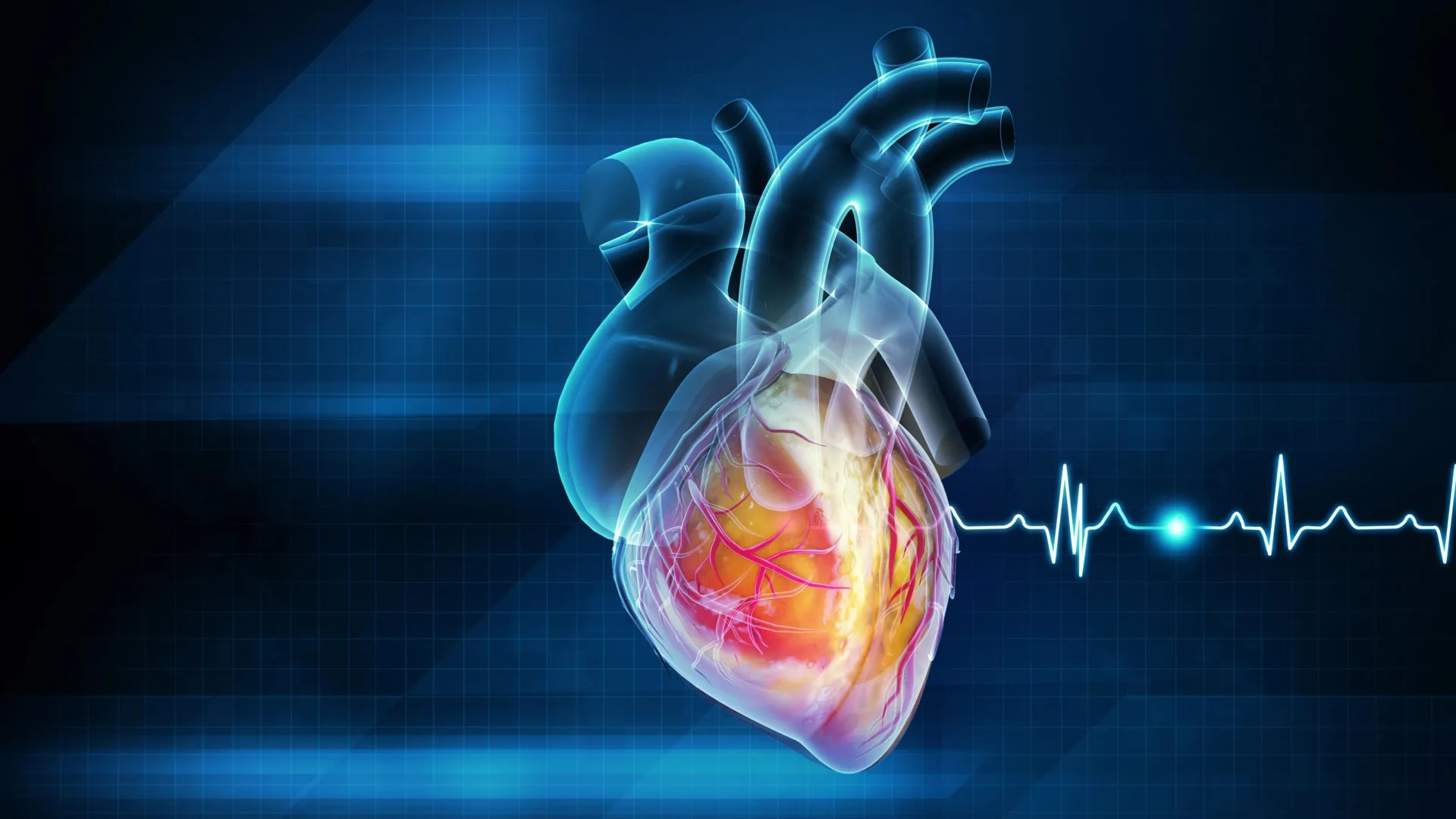
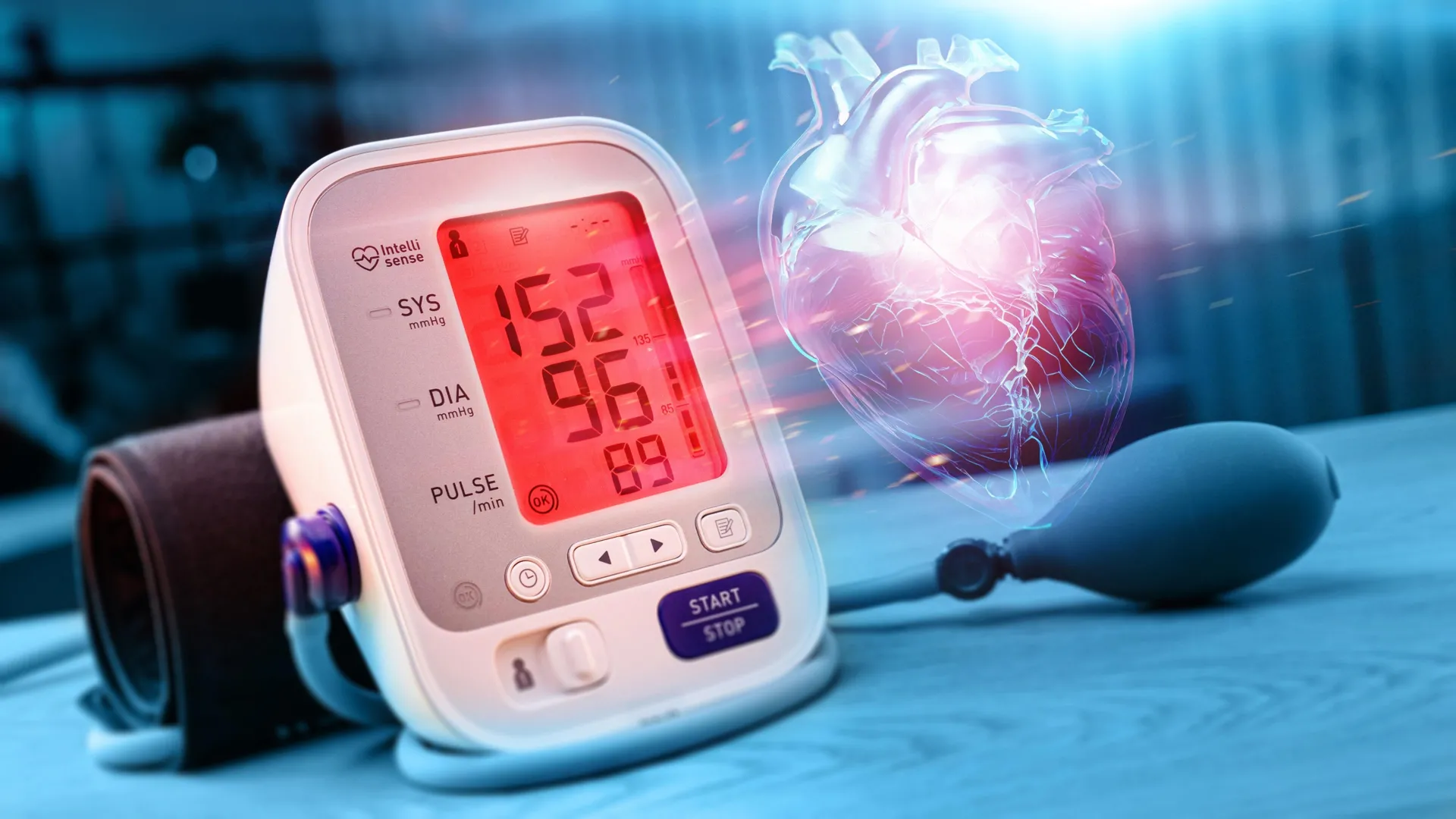
A pioneering study by researchers from Finland and the UK has demonstrated for the first time that myocardial infarction may be an infectious disease. This discovery challenges the conventional understanding of the pathogenesis of myocardial infarction and opens new avenues for treatment, diagnostics, and even vaccine development. According to the recently published research, an infection…

Read More

Exercise may actually reverse your body’s aging clock

A new research perspective was recently published in Aging, titled “Exercise as a geroprotector: focusing on epigenetic aging.” In this perspective, led by Takuji Kawamura from Tohoku University, researchers reviewed existing evidence from scientific studies showing that regular exercise, physical activity, and fitness may influence epigenetic aging and potentially reverse it, offering a promising way…

Read More

Common heart drug taken by millions found useless, possibly risky

Beta blockers—drugs commonly prescribed for a range of cardiac conditions, including heart attacks—provide no clinical benefit for patients who have had an uncomplicated myocardial infarction with preserved heart function. Beta blockers have been the standard treatment for these patients for 40 years. This is a breakthrough discovery from the “REBOOT Trial” with senior investigator Valentin…

Read More

More likely to be struck by lightning than get tetanus. So why the boosters?

The United States could safely drop tetanus and diphtheria booster shots for adults and save an estimated $1 billion a year, according to a new review led by researchers at Oregon Health & Science University. The safety and savings depend on maintaining strong childhood vaccination rates, researchers emphasized. “By maintaining high childhood vaccination coverage, we…

Read More

The hidden DNA organizer linking fertility and cancer

A research team at Kyoto University has discovered STAG3-cohesin, a new mitotic cohesin complex that helps establish the unique DNA architecture of spermaotogonial stem cells (SSCs), the stem cells that give rise to sperm. This “DNA organizer” is crucial for sperm production in mice: without STAG3, SSCs cannot differentiate properly, leading to a fertility problem….

Read More

Rats walk again after breakthrough spinal cord repair with 3D printing

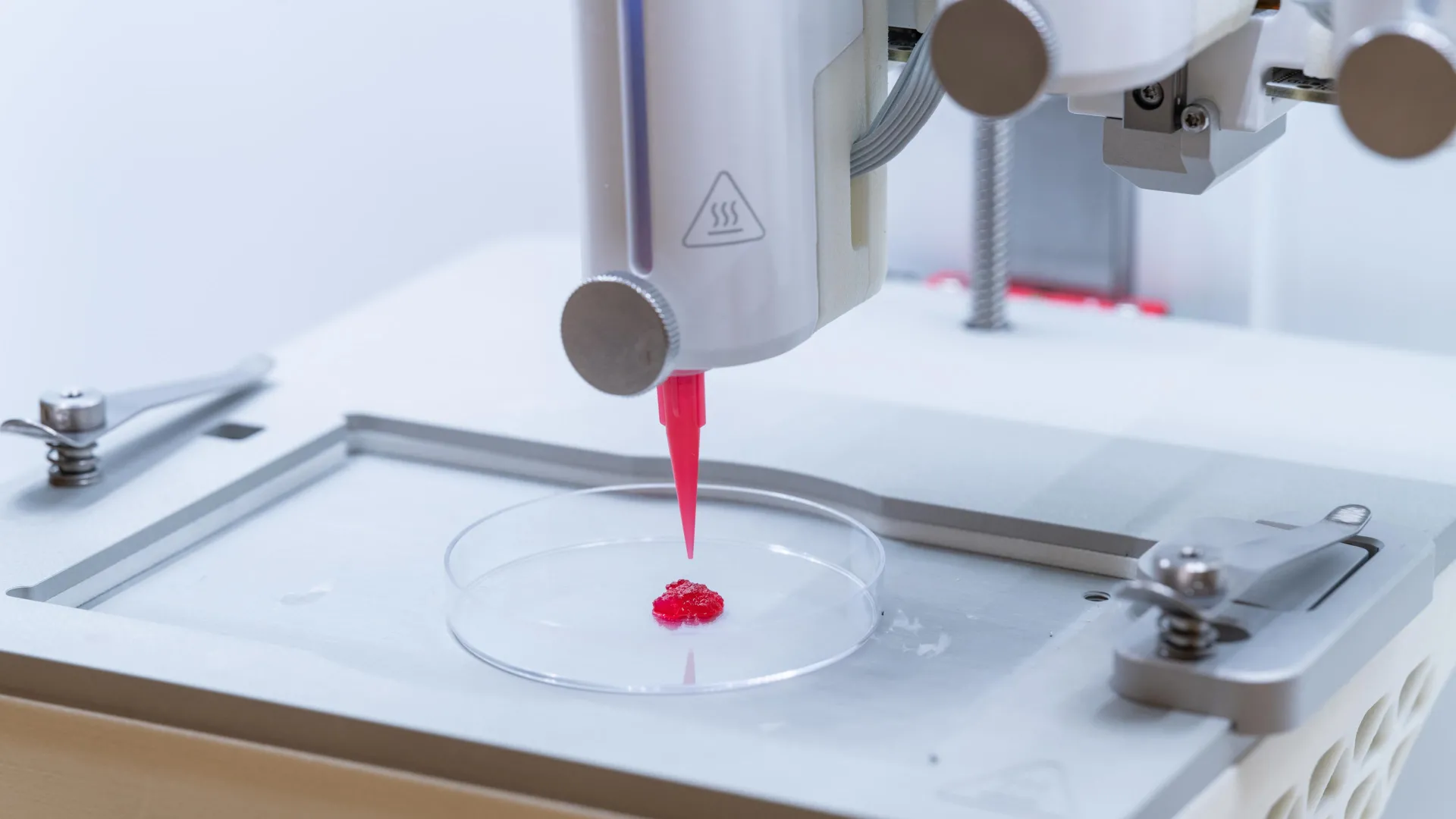
For the first time, a research team at the University of Minnesota Twin Cities demonstrated a groundbreaking process that combines 3D printing, stem cell biology, and lab-grown tissues for spinal cord injury recovery. The study was recently published in Advanced Healthcare Materials, a peer-reviewed scientific journal. According to the National Spinal Cord Injury Statistical Center,…

Read More

Artificial sweeteners could soon taste just like sugar

Some artificial sweeteners, such as saccharin and acesulfame K, have a bitter aftertaste that affects consumer acceptance of reduced-calorie foods and beverages. New research in FEBS Open Bio reveals the potential of compounds that inhibit bitter taste receptors to make artificial sweeteners more palatable. Saccharin and acesulfame K are detected by two types of bitter…

Read More

Eating meat may protect against cancer, landmark research shows

Eating animal-sourced protein foods is not linked to a higher risk of death and may even offer protective benefits against cancer-related mortality, new research finds. The study, published in Applied Physiology, Nutrition, and Metabolism, analyzed data from nearly 16,000 adults aged 19 and older using the National Health and Nutrition Examination Survey (NHAMES III). Researchers…

Read More

Stopping time in cells exposes life’s fastest secrets

Optical microscopy is a key technique for understanding dynamic biological processes in cells, but observing these high-speed cellular dynamics accurately, at high spatial resolution, has long been a formidable task. Now, in an article published in Light: Science & Applications, researchers from The University of Osaka, together with collaborating institutions, have unveiled a cryo-optical microscopy…

Read More

Mysterious “little red dots” could reveal how the first black holes formed

Astronomers at the Center for Astrophysics | Harvard & Smithsonian have proposed a new explanation for some of the universe’s most puzzling early galaxies, nicknamed “little red dots.” In the study, published in The Astrophysical Journal Letters, Authors Fabio Pacucci and Abraham (Avi) Loeb suggest that these galaxies are the result of very slowly spinning…

Read More

A safe painkiller? New research raises concerns about Tylenol’s safety in pregnancy

Researchers at the Icahn School of Medicine at Mount Sinai have found that prenatal exposure to acetaminophen may increase the risk of neurodevelopmental disorders, including autism spectrum disorder and attention-deficit/hyperactivity disorder (ADHD), in children. The study, published on August 14 in BMC Environmental Health, is the first to apply the rigorous Navigation Guide methodology to systematically…

Read More

This overlooked trait could explain anxiety and depression in millions

The meta-analysis of 33 studies, the first of its kind, looked at the relationship between sensitivity and common mental health problems such as depression and anxiety. Researchers found there was a significant, positive relationship between the two, concluding that highly sensitive people are more likely to experience depression and anxiety compared to those who are…

Read More

A new cancer vaccine just wiped out tumors in mice

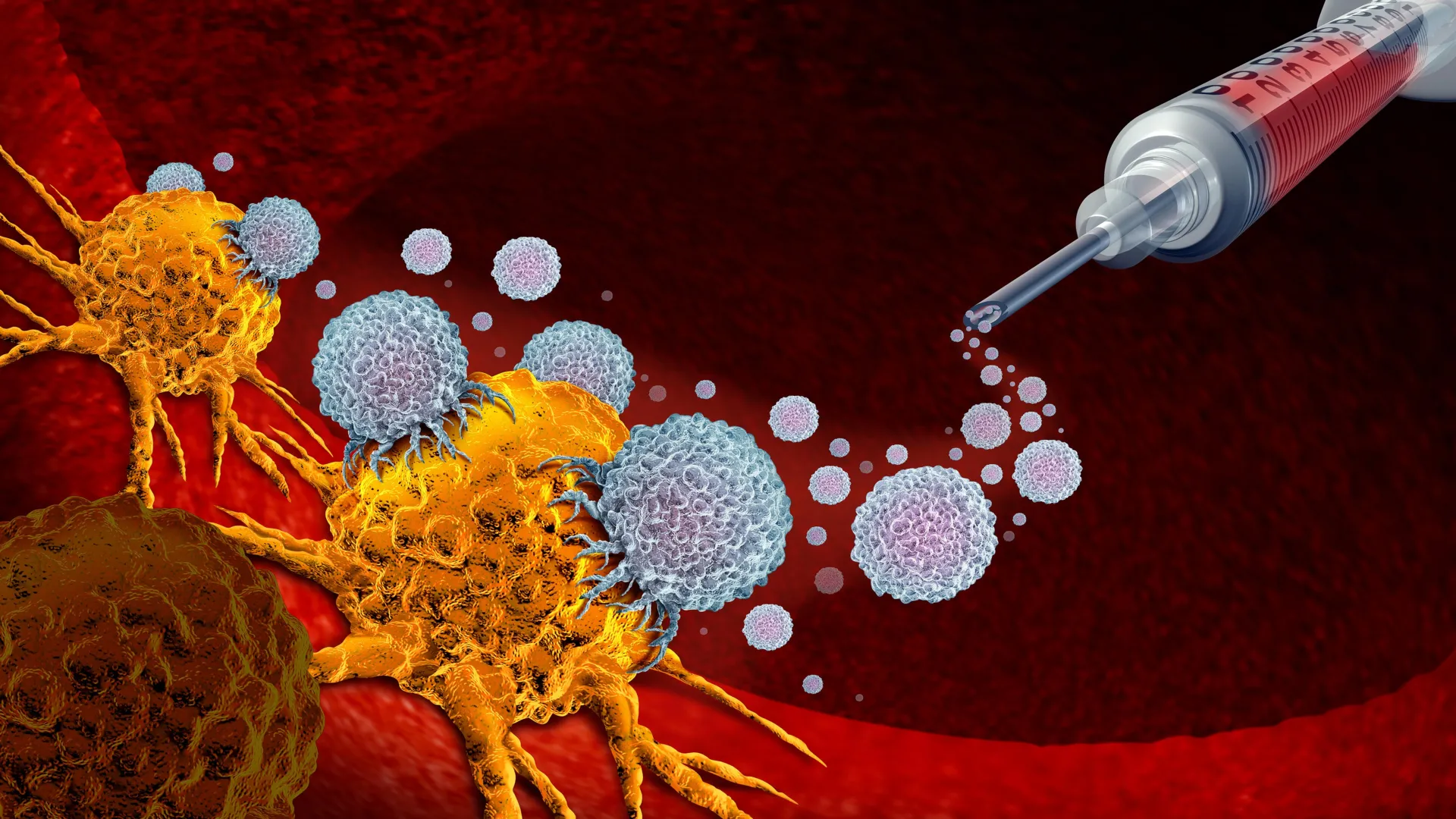
An experimental mRNA vaccine boosted the tumor-fighting effects of immunotherapy in a mouse-model study, bringing researchers one step closer to their goal of developing a universal vaccine to “wake up” the immune system against cancer. Published recently in Nature Biomedical Engineering, the University of Florida study showed that like a one-two punch, pairing the test vaccine…

Read More

Forget LASIK: Safer, cheaper vision correction could be coming soon

Millions of Americans have altered vision, ranging from blurriness to blindness. But not everyone wants to wear prescription glasses or contact lenses. Accordingly, hundreds of thousands of people undergo corrective eye surgery each year, including LASIK — a laser-assisted surgery that reshapes the cornea and corrects vision. The procedure can result in negative side effects,…

Read More

Scientists detect virus traces in blood that may unlock long COVID’s mystery

Researchers from the Translational Genomics Research Institute (TGen), part of City of Hope, and the Lundquist Institute for Biomedical Innovation at Harbor-UCLA Medical Center have identified a potential biomarker for long COVID. If the findings of their study are confirmed by other research centers, the biomarker could be the first specific and quantifiable indicator for…

Read More

The hidden mental health danger in today’s high-THC cannabis

Science News from research organizations Date: August 12, 2025 Source: Canadian Medical Association Journal Summary: THC levels in cannabis have soared in recent years, raising the risk of psychosis—especially in young, frequent users. Studies reveal a strong connection between cannabis-induced psychosis and schizophrenia, making early cessation and treatment essential. Share: FULL STORY Stronger cannabis is…

Read More

Johns Hopkins scientists grow a mini human brain that lights up and connects like the real thing

Johns Hopkins University researchers have grown a novel whole-brain organoid, complete with neural tissues and rudimentary blood vessels — an advance that could usher in a new era of research into neuropsychiatric disorders such as autism. “We’ve made the next generation of brain organoids,” said lead author Annie Kathuria, an assistant professor in JHU’s Department…

Read More

This vaccine uses dental floss instead of needles

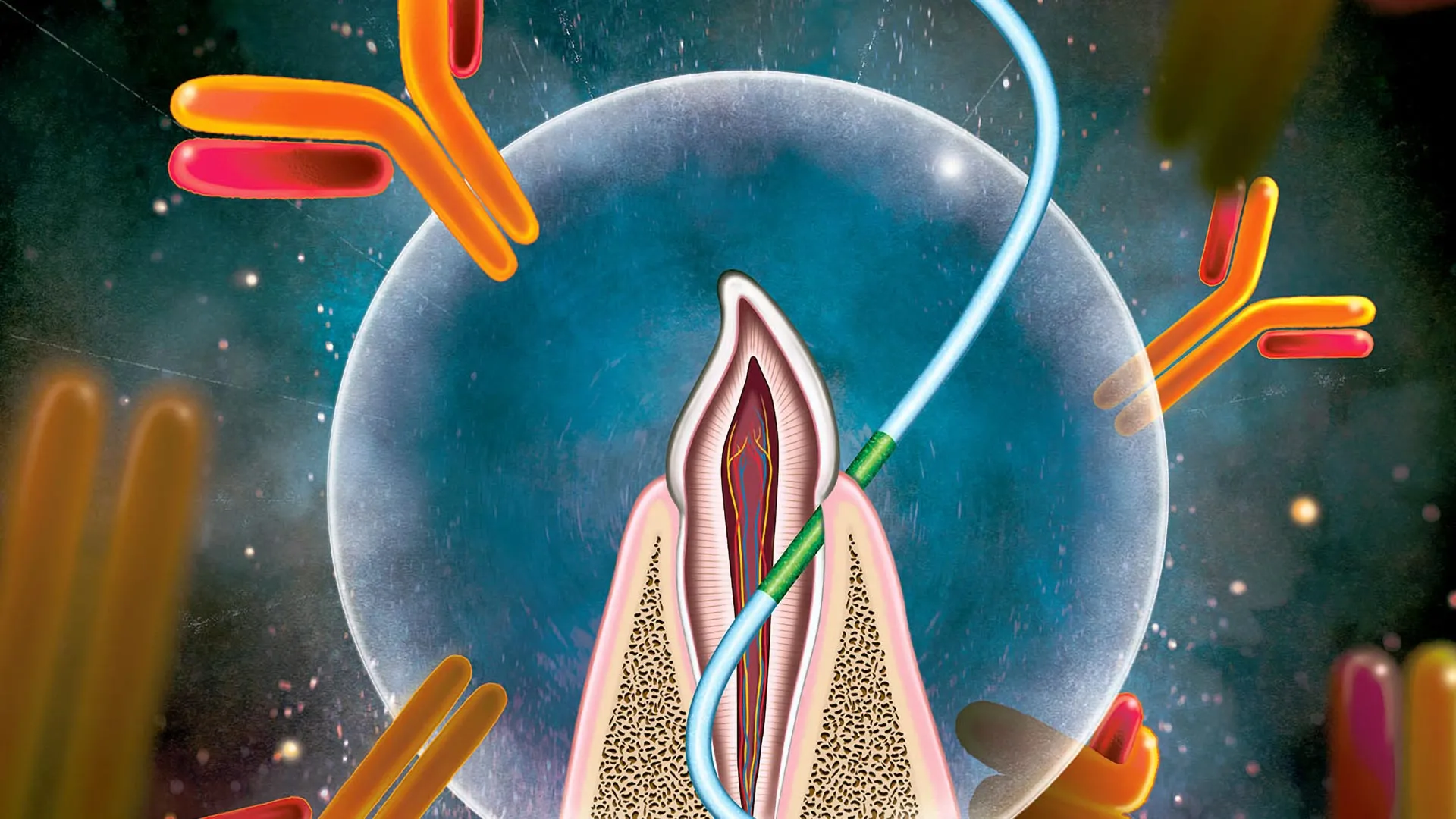
Researchers have demonstrated a novel vaccine delivery method in an animal model, using dental floss to introduce vaccine via the tissue between the teeth and gums. The testing found that the new technique stimulates the production of antibodies in mucosal surfaces, such as the lining of the nose and lungs. “Mucosal surfaces are important, because…

Read More

Breakthrough lung cancer treatment supercharges immune cells with mitochondria

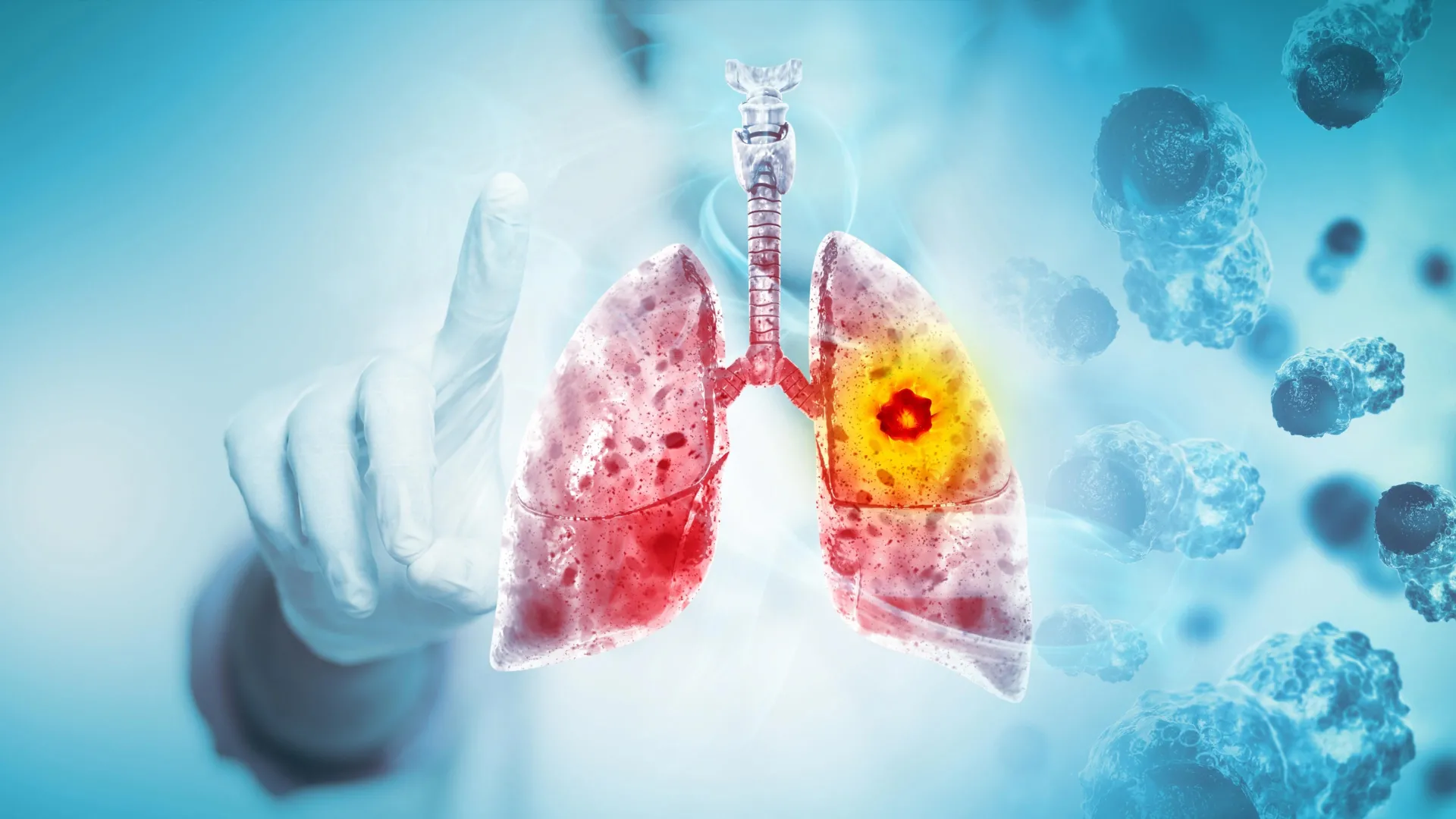
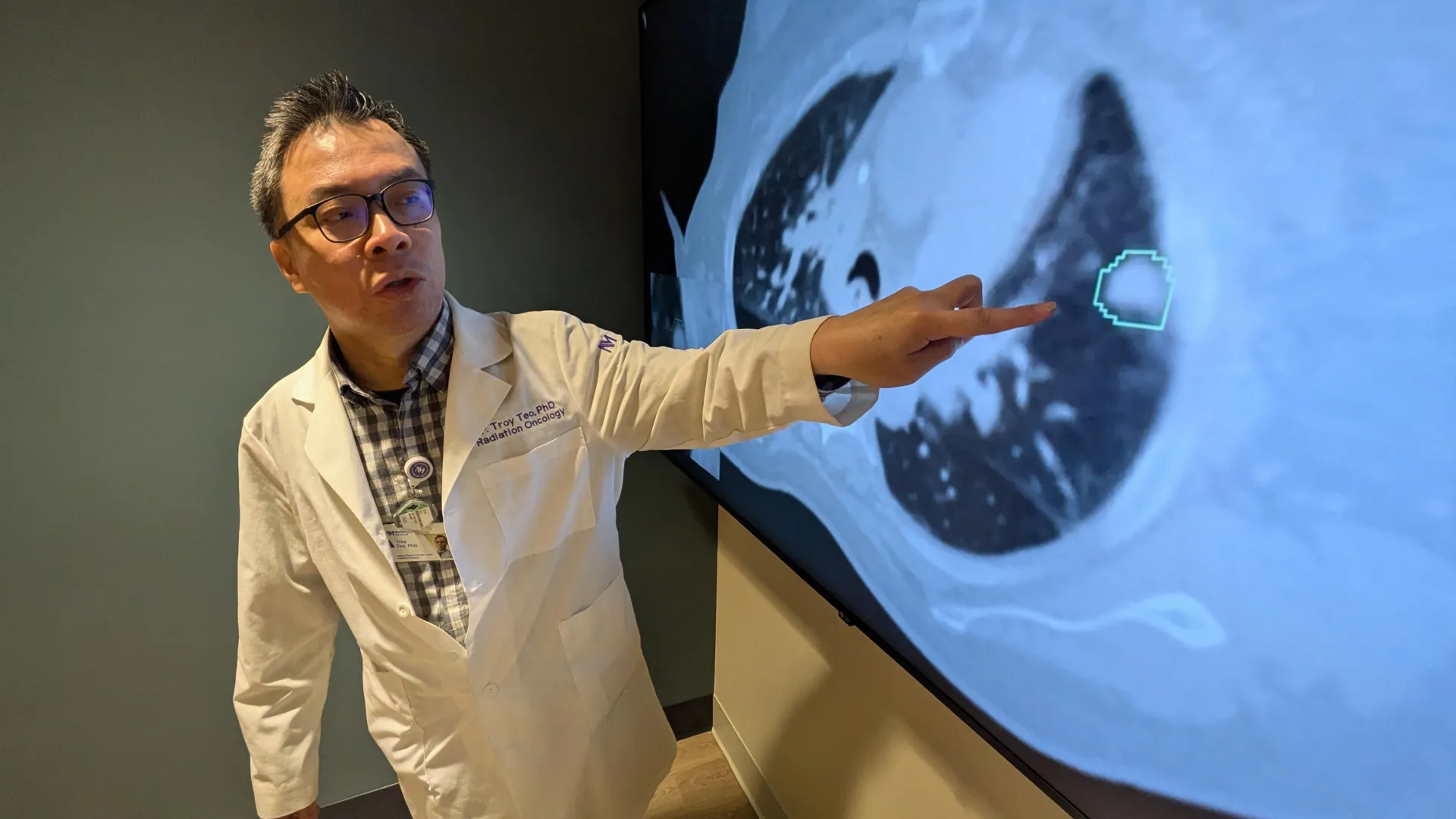
While chemotherapy remains a cornerstone of lung cancer treatment, it often weakens the immune system it relies on for long-term control. Now, researchers have found a way to turn this weakness into strength — by transplanting healthy mitochondria into the tumor environment. In advanced non-small cell lung cancer (NSCLC), combining mitochondrial transplantation with cisplatin not…

Read More

Reversing Alzheimer’s damage: Two cancer drugs demonstrate surprising power

Scientists at UC San Francisco and Gladstone Institutes have identified cancer drugs that promise to reverse the changes that occur in the brain during Alzheimer’s, potentially slowing or even reversing its symptoms. The study first analyzed how Alzheimer’s disease altered gene expression in single cells in the human brain. Then, researchers looked for existing drugs…

Read More

Columbia scientists turn yogurt into a healing gel that mimics human tissue

Researchers from Columbia Engineering have established a framework for the design of bioactive injectable hydrogels formulated with extracellular vesicles (EVs) for tissue engineering and regenerative medicine applications. Published on July 25 in Matter, Santiago Correa, assistant professor of biomedical engineering at Columbia Engineering, and his collaborators describe an injectable hydrogel platform that uses EVs from milk…

Read More

Your sleep schedule could be making you sick, says massive new study

A groundbreaking international study, recently published in Health Data Science, analyzed objective sleep data from 88,461 adults in the UK Biobank and found significant associations between sleep traits and 172 diseases. The research, led by teams from Peking University and Army Medical University, highlights sleep regularity — such as bedtime consistency and circadian rhythm stability…

Read More

Walk faster, live longer: How just 15 minutes a day can boost lifespan

Regular walking is widely recognized for its significant benefits to overall health and well-being. Previous research has primarily focused on middle-to-high-income White populations. Now, a novel analysis using data from the Southern Community Cohort Study, involving 79,856 predominantly low-income and Black individuals across 12 southeastern US states, confirms the benefits of regular walking, especially at…

Read More

This DNA test can predict if a 5-year-old will be obese as an adult

What if we could prevent people from developing obesity? The World Obesity Federation expects more than half the global population to develop overweight or obesity by 2035. However, treatment strategies such as lifestyle change, surgery and medications are not universally available or effective. By drawing on genetic data from over five million people, an international…

Read More

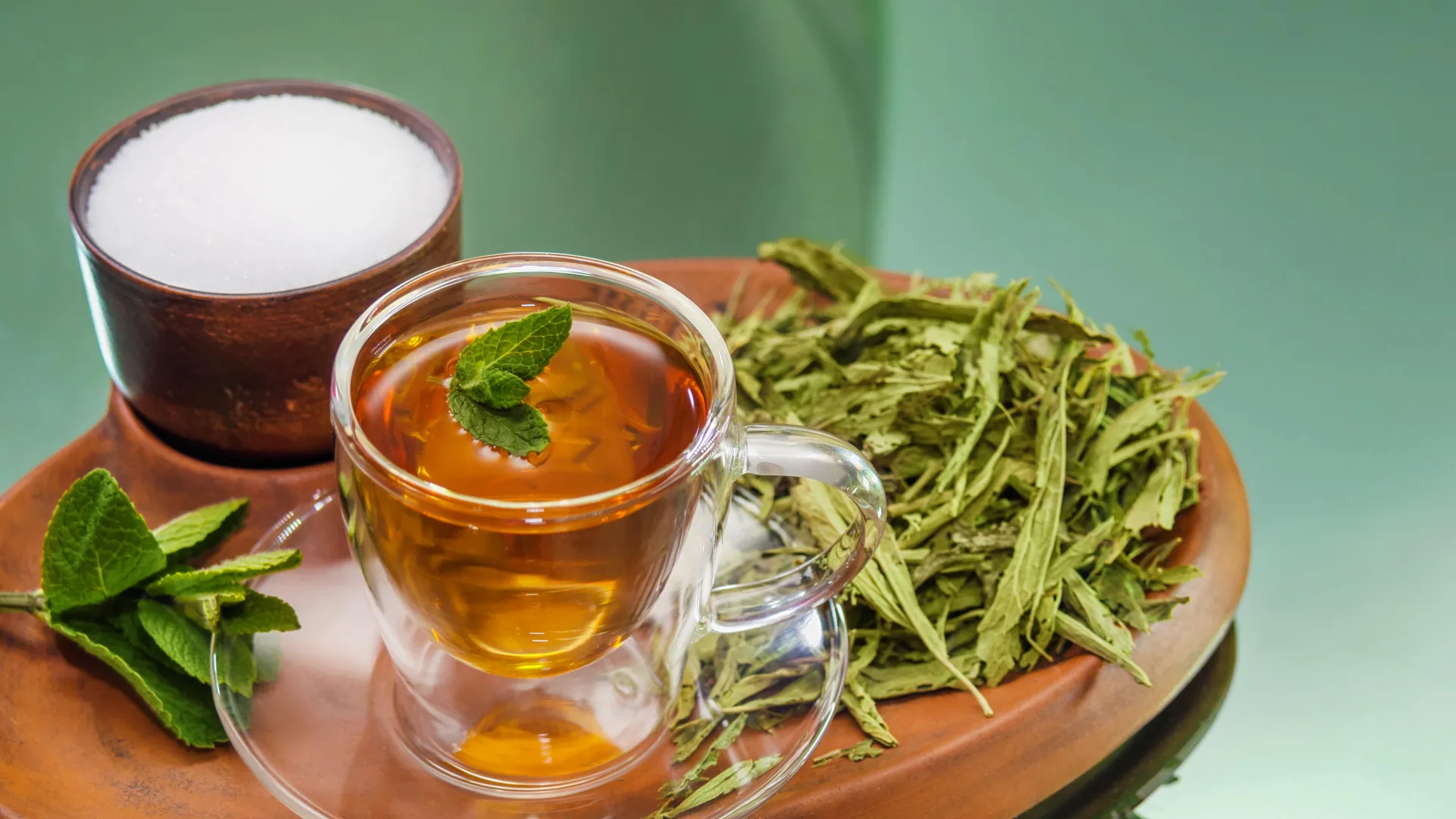
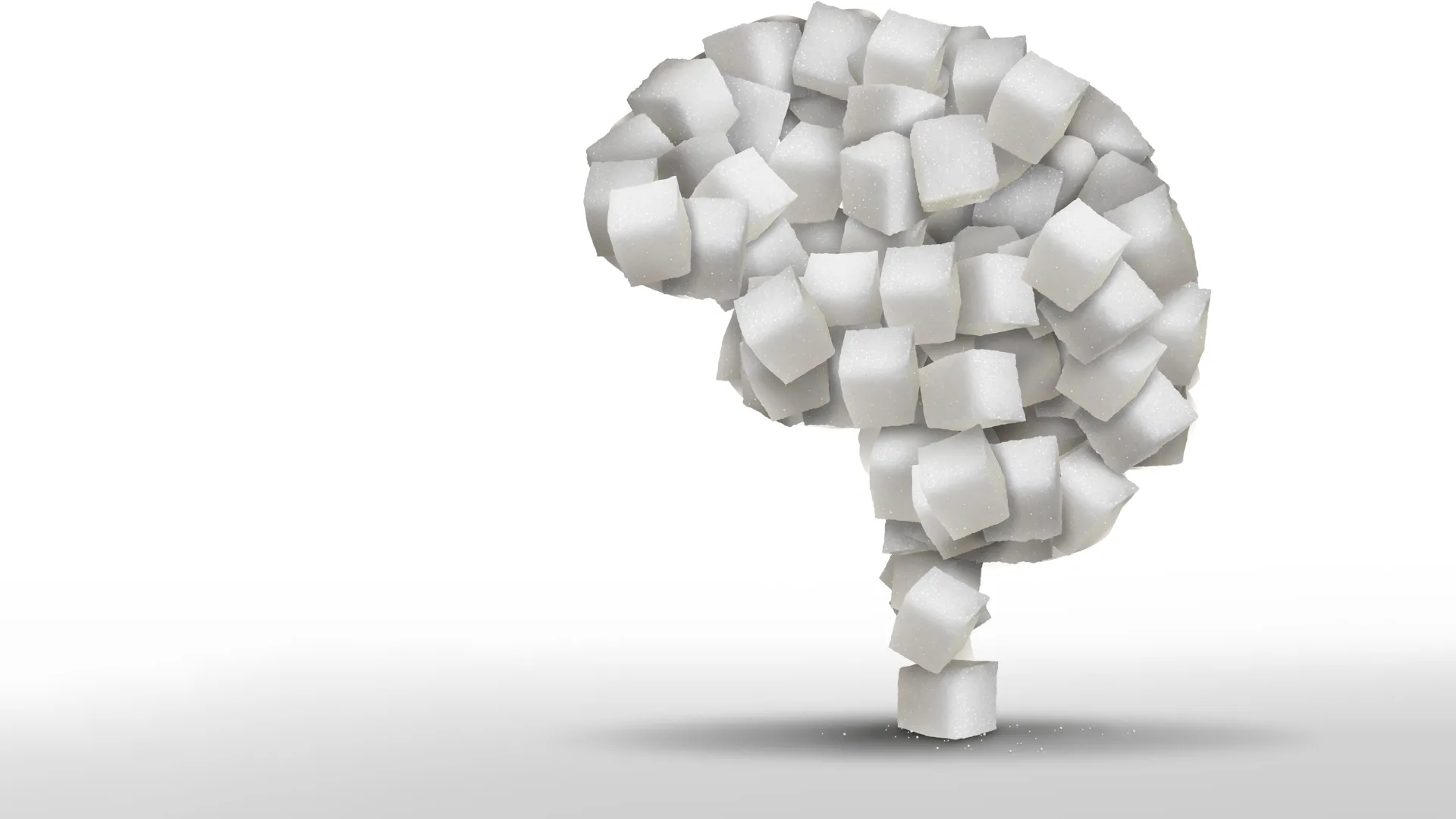
This sugar substitute does more than sweeten — it kills cancer cells

Stevia may provide more benefits than as a zero-calorie sugar substitute. When fermented with bacteria isolated from banana leaves, stevia extract kills off pancreatic cancer cells but doesn’t harm healthy kidney cells, according to a research team at Hiroshima University. The researchers published their findings in the International Journal of Molecular Sciences. “Globally, the incidence…

Read More

The fungus that makes bread better for you

New research in Plants, People, Planet indicates that bread wheat’s micronutrient content can be increased by cultivating it with a specific type of fungus. When investigators grew different types of wheat with and without the arbuscular mycorrhizal fungus Rhizophagus irregularis, they observed that crops grown with fungi developed larger grains with greater amounts of phosphorus…

Read More

Magic mushrooms rewind aging in mice—could they do the same for humans?

As revenues from the anti-aging market — riddled with hope and thousands of supplements– surged past $500 million last year, Emory University researchers identified a compound that actively delays aging in cells and organisms. A newly published study in Nature Partner Journals’ Aging demonstrates that psilocin, a byproduct of consuming psilocybin, the active ingredient in…

Read More

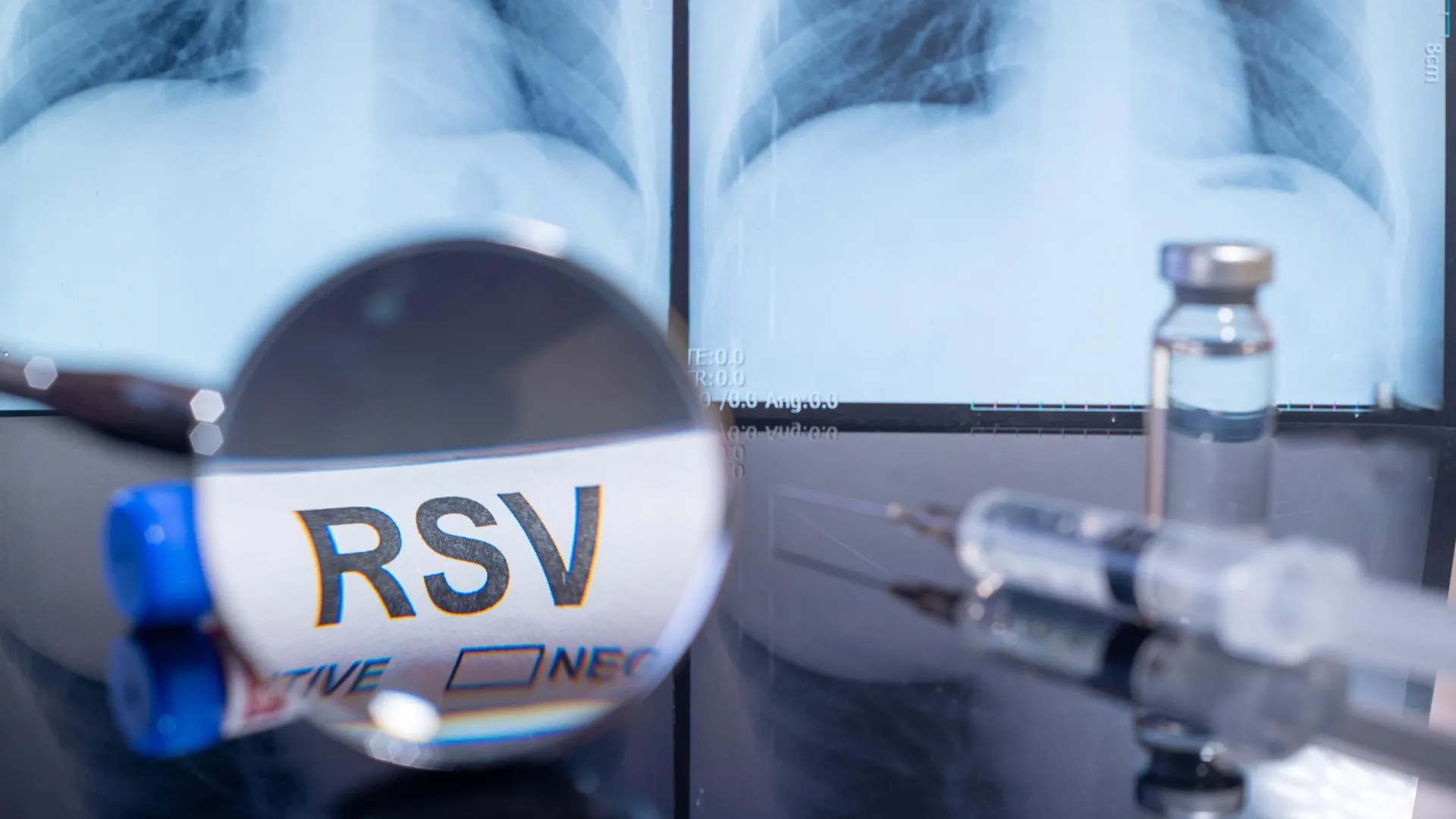
One pregnancy shot slashes baby RSV hospitalizations by 72% — and shields for months

Vaccination of pregnant women has been linked to a drop in newborns being admitted to hospital with a serious lung infection, research suggests. Researchers found the respiratory syncytial virus (RSV) vaccine, introduced across the UK in late summer 2024, led to a 72 percent reduction in babies hospitalized with the virus if mothers were vaccinated….

Read More

Why Trump’s leg swelling could be a warning sign for millions

In light of reports from the White House that President Donald J. Trump has been diagnosed with Chronic Venous Insufficiency (CVI), the American Heart Association is sharing important information on the condition and its association with cardiovascular risk factors, disease and increased risk of death. According to the Association, the world’s leading nonprofit organization focused…

Read More

Doctors used music instead of medication—what they saw in dementia patients was remarkable

A new treatment that uses music therapy on dementia wards could improve care and support for some of the NHS’s most vulnerable patients. Researchers at Anglia Ruskin University (ARU) and Cambridgeshire and Peterborough NHS Foundation Trust have piloted a music therapy approach called MELODIC, across two NHS dementia wards. More alternatives to psychotropic medication are…

Read More

Sweet but risky: Common sweeteners may be accelerating puberty in kids

Consuming certain sweeteners commonly found in foods and beverages may increase the risk of early puberty in children, particularly among those who are genetically predisposed, according to a study presented at ENDO 2025, the Endocrine Society’s annual meeting in San Francisco, Calif. The researchers found that consuming aspartame, sucralose, glycyrrhizin and added sugars was significantly…

Read More

One shot, seven days: Long-acting levodopa gel tackles Parkinson’s tremors

A new weekly injectable drug could transform the lives of more than eight million people living with Parkinson’s disease, potentially replacing the need for multiple daily tablets. Scientists from the University of South Australia (UniSA) have developed a long-acting injectable formulation that delivers a steady dose of levodopa and carbidopa – two key medications for…

Read More

Lemurs age without inflammation—and it could change human health forever

What can lemurs tell us about inflammation and aging, aka “inflammaging” in humans? That’s the question Elaine Guevara, a biological anthropologist who studies the evolution of life history and aging in primates, set out to understand. In newly published research on age-related inflammation in ring-tailed and sifaka lemurs, Guevara discovered that perhaps we should rethink…
Read More

Pregnancy’s 100-million-year secret: Inside the placenta’s evolutionary power play

An international research team led by scientists from the University of Vienna has uncovered new insights into how specialized cell types and communication networks at the interface between mother and fetus evolved over millions of years. These discoveries shed light on one of nature’s most remarkable innovations – the ability to sustain a successful pregnancy….

Read More

Feeling mental exhaustion? These two areas of the brain may control whether people give up or persevere

Two areas of the brain may work in combination to tell the brain when it’s “feeling” tired. People with depression and post-traumatic stress disorder (PTSD) often experience cognitive fatigue. Results of the study may provide a way for physicians to better evaluate and treat people who experience such fatigue. In experiments with healthy volunteers undergoing…
Read More

Cough medicine turned brain protector? Ambroxol may slow Parkinson’s dementia

Dementia poses a major health challenge with no safe, affordable treatments to slow its progression. Researchers at Lawson Research Institute (Lawson), the research arm of St. Joseph’s Health Care London, are investigating whether Ambroxol — a cough medicine used safely for decades in Europe — can slow dementia in people with Parkinson’s disease. Published on…

Read More

Frozen light switches: How Arctic microbes could revolutionize neuroscience

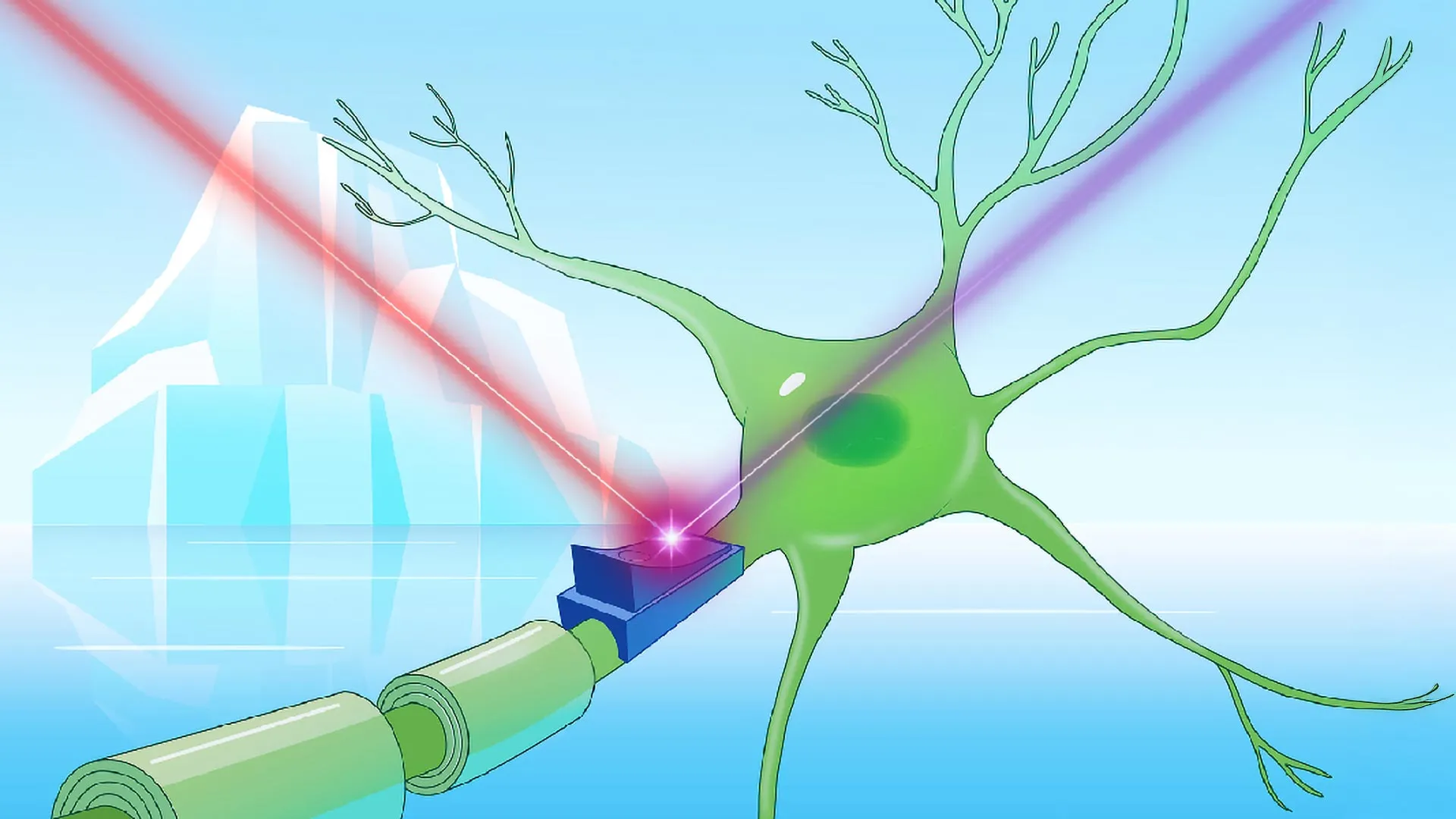
Imagine the magnificent glaciers of Greenland, the eternal snow of the Tibetan high mountains, and the permanently ice-cold groundwater in Finland. As cold and beautiful these are, for the structural biologist Kirill Kovalev, they are more importantly home to unusual molecules that could control brain cells’ activity. Kovalev, EIPOD Postdoctoral Fellow at EMBL Hamburg’s Schneider…

Read More

Sweet-smelling molecule halts therapy-resistant pancreatic cancer

Cancer cells have the capacity to multiply rapidly. The aggressive cancer cells undergo conversion from their tightly connected epithelial state into a mesenchymal state, which lacks contact restrictions and spreads easily to other parts of the body. Such epithelial-to-mesenchymal plasticity also makes the cancer cells resistant to elimination by anticancer therapies. The search is ongoing…

Read More

AI spots deadly heart risk most doctors can’t see

A new AI model is much better than doctors at identifying patients likely to experience cardiac arrest. The linchpin is the system’s ability to analyze long-underused heart imaging, alongside a full spectrum of medical records, to reveal previously hidden information about a patient’s heart health. The federally-funded work, led by Johns Hopkins University researchers, could…

Read More

This virus infects millions—and we just discovered its secret weapon

New research from the University of Pittsburgh School of Medicine and La Jolla Institute for Immunology, published today (June 30) in Nature Microbiology, reveals an opportunity for developing a therapy against cytomegalovirus (CMV), the leading infectious cause of birth defects in the United States. Researchers discovered a previously unappreciated mechanism by which CMV, a herpes…

Read More

Scientists just mapped how the body rejects pig organs—and how to stop it

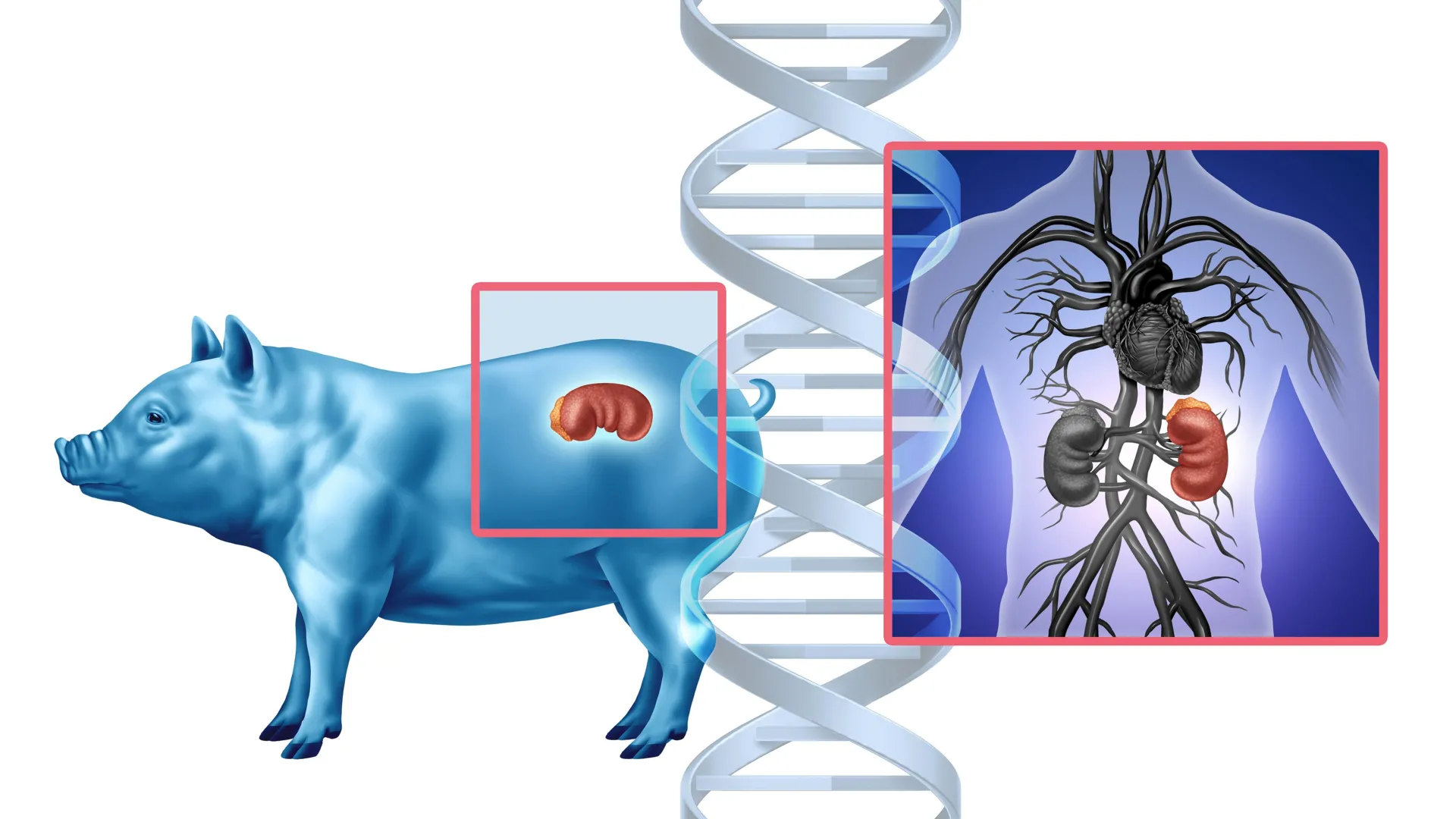
A pioneering study has provided unprecedented insights into the immune response following pig-to-human kidney xenotransplantation.1 The findings, presented today at the ESOT Congress 2025, mark a significant step forward in overcoming the biggest challenge in xenotransplantation: rejection by the human immune system. Using cutting-edge spatial molecular imaging, researchers mapped how human immune cells interact with…

Read More

Candy colors, THC inside: How cannabis edibles are tricking teen brains

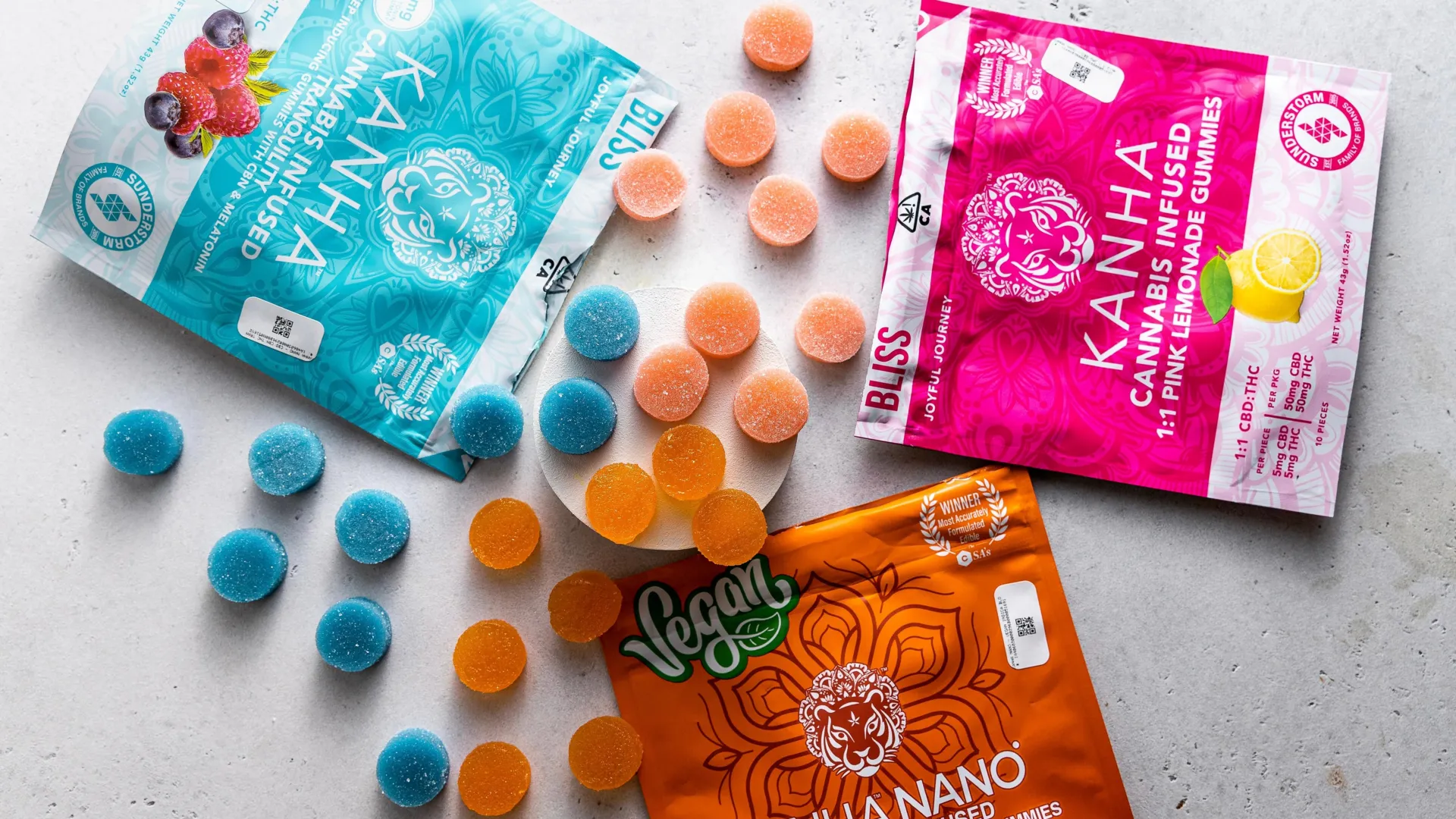
Bright colors, fruit imagery, and labels like “locally made” or “vegan” might seem harmless — but when used on cannabis edibles, they can send misleading messages to teens. That’s according to a new Washington State University-led study examining how adolescents perceive the packaging of cannabis-infused products such as gummies, chocolates and sodas. Despite regulations barring…

Read More

Scientists turn beer yeast into mini factories for smart drugs

Scientists at Ca’ Foscari University of Venice, in collaboration with researchers from Japan, China, Switzerland, and Italy, have developed an innovative method to produce and rapidly analyze a vast array of macrocyclic peptides, molecules increasingly used in modern medicine. The research, published in Nature Communications, harnesses the familiar brewer’s yeast, turning billions of these tiny…

Read More

The brain’s sweet spot: How criticality could unlock learning, memory—and prevent Alzheimer’s

In a new paper with implications for preventing Alzheimer’s disease and other neurological disorders, Keith Hengen, an associate professor of biology in Arts & Sciences at Washington University in St. Louis, suggests a new comprehensive approach to understanding how the brain works and the rules it must follow to reach optimal performance. “There’s a common…

Read More

Parkinson’s may begin decades earlier — and your immune system might know first

Your T cells work hard to fight disease. Unfortunately, “friendly fire” from T cells can sometimes harm the body’s healthy tissues. For people with autoimmune disease, T cell reactivity is a big problem. Haywire T cell responses lead to autoimmune diseases such as type 1 diabetes, rheumatoid arthritis, and inflammatory bowel disease. In recent years,…

Read More

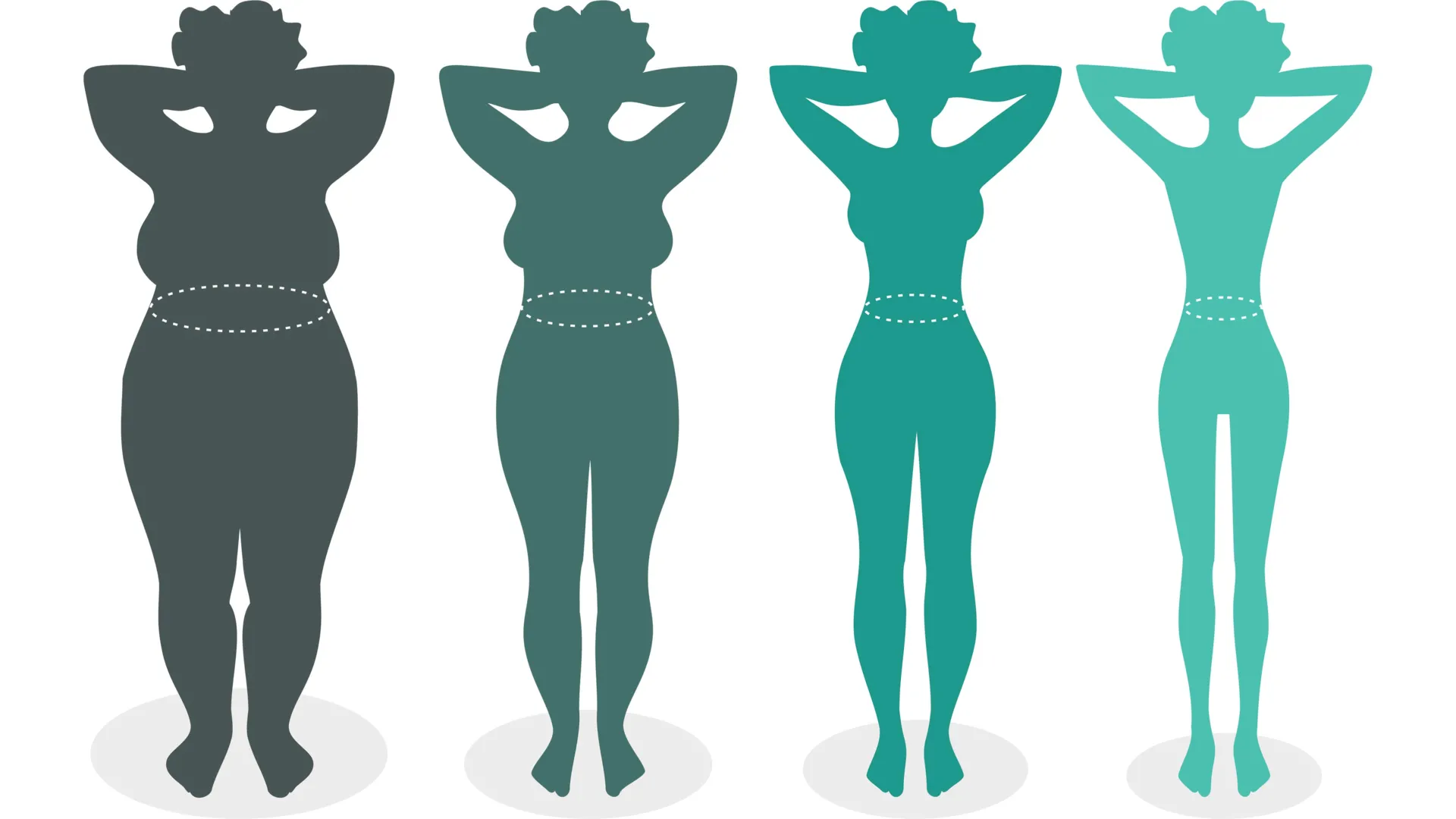
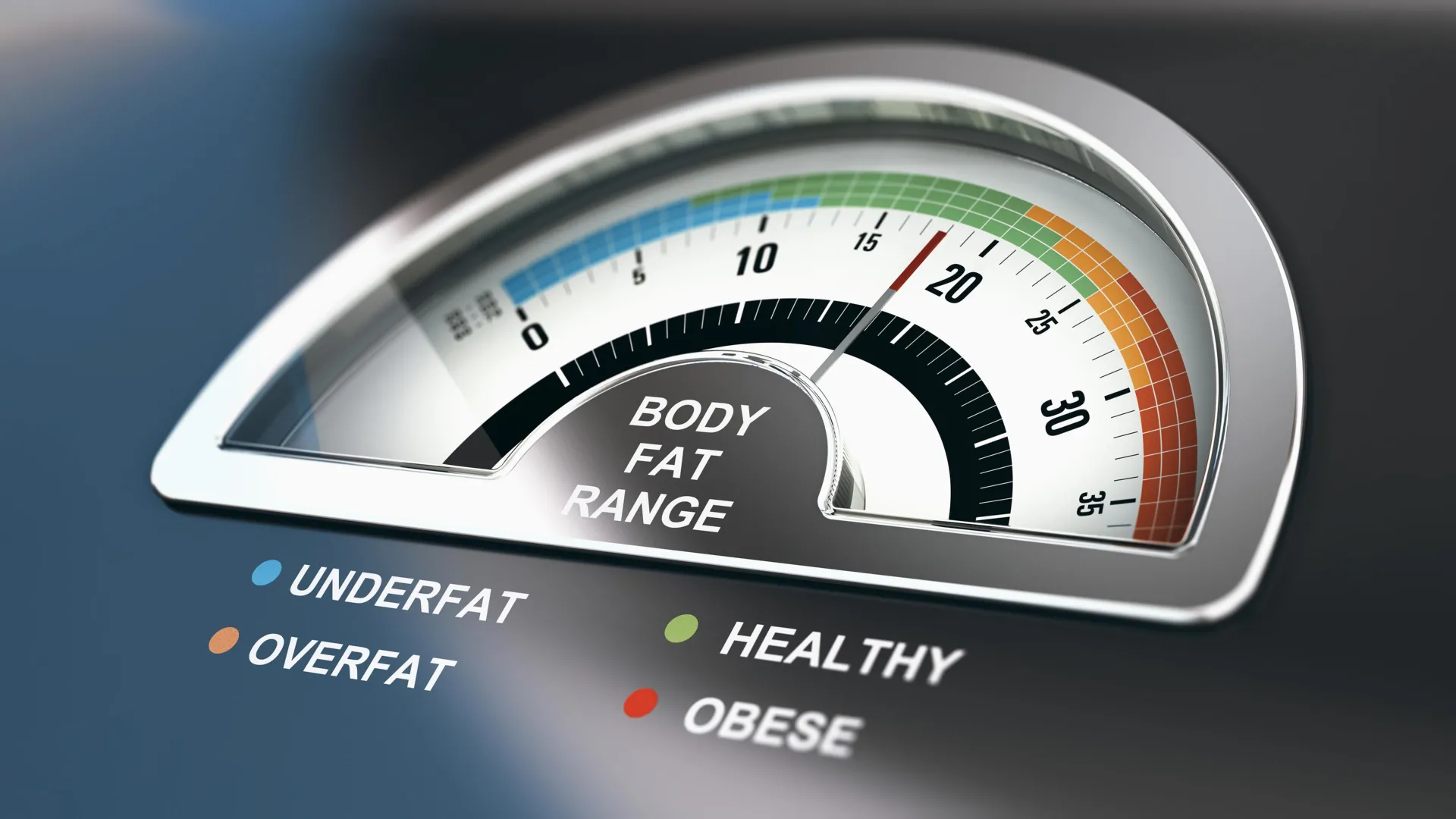
Acid-busting diet triggers 13-pound weight loss in just 16 weeks

Compared with a Mediterranean diet, dietary acid load decreased significantly on a low-fat vegan diet and was associated with weight loss, according to a randomized cross-over trial conducted by the Physicians Committee for Responsible Medicine and published in Frontiers in Nutrition. “Eating acid-producing foods like meat, eggs, and dairy can increase the dietary acid load,…

Read More

Scientists warn of bat virus just one mutation from infecting humans

A group of bat viruses closely related to the deadly Middle East respiratory syndrome coronavirus (MERS-CoV) could be one small mutation away from being capable of spilling over into human populations and potentially causing the next pandemic. A recent study published in the journal Nature Communicationsexamined an understudied group of coronaviruses known as merbecoviruses —…

Read More

How brain cells meant to help may be making depression worse

Major depressive disorder (MDD) is a mental health condition that negatively affects the mood of a person and causes a loss of interest in activities that were previously associated with happiness. In addition to cognitive impairments and forgetfulness, MDD can significantly affect social and occupational areas of functioning. Studies investigating the pathophysiology of MDD indicate…

Read More

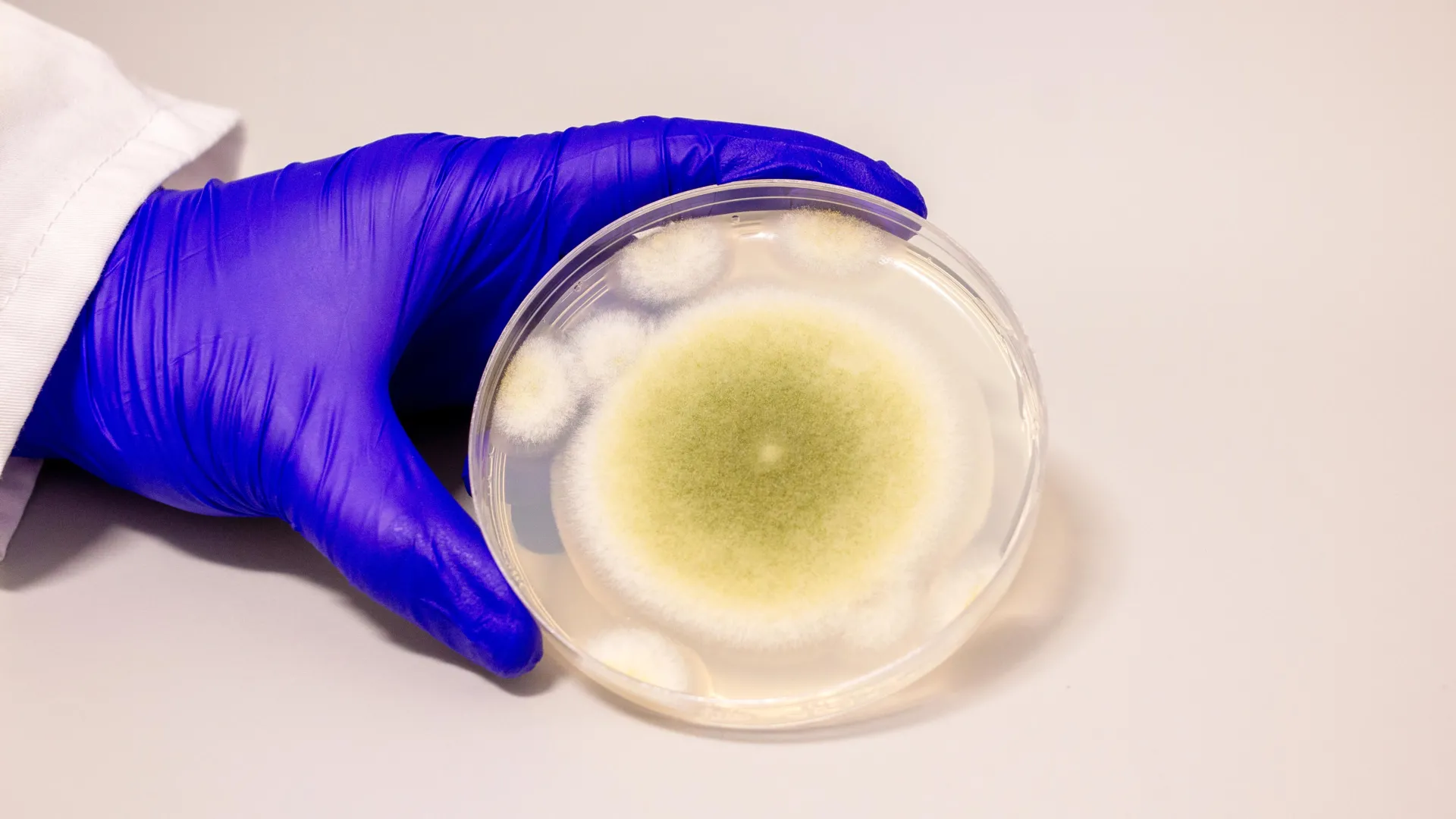
From cursed tomb fungus to cancer cure: Aspergillus flavus yields potent new drug

Penn-led researchers have turned a deadly fungus into a potent cancer-fighting compound. After isolating a new class of molecules from Aspergillus flavus, a toxic crop fungus linked to deaths in the excavations of ancient tombs, the researchers modified the chemicals and tested them against leukemia cells. The result? A promising cancer-killing compound that rivals FDA-approved…

Read More

Zapping aging cells: The fast, label-free test that could transform research

Researchers from Tokyo Metropolitan University have created a new way of telling “aged” human cells apart from younger ones using electric fields. While key markers have been found for these “senescent” cells, current methods require biochemical “labels” which are difficult to apply and affect the cells themselves, making them difficult to study. The new method…

Read More

How can we make fewer mistakes? US Navy invests $860k in placekeeping

A team of cognitive psychologists from the Michigan State University Department of Psychology have received a $860,000 grant from the Office of Naval Research to develop assessments for identifying people who are good at performing complex procedural tasks, even under challenging conditions like sleep deprivation and frequent interruptions. “If we develop the right tools, we…

Read More

Single psilocybin trip delivers two years of depression relief for cancer patients

New results from a clinical trial reveal that a single dose of psilocybin — a naturally occurring psychedelic compound found in mushrooms — can provide sustained reductions in depression and anxiety in individuals with cancer suffering from major depressive disorder. The findings are published by Wiley online in CANCER, a peer-reviewed journal of the American…

Read More

Scientists discover llama antibodies that shut down COVID — and its future variants

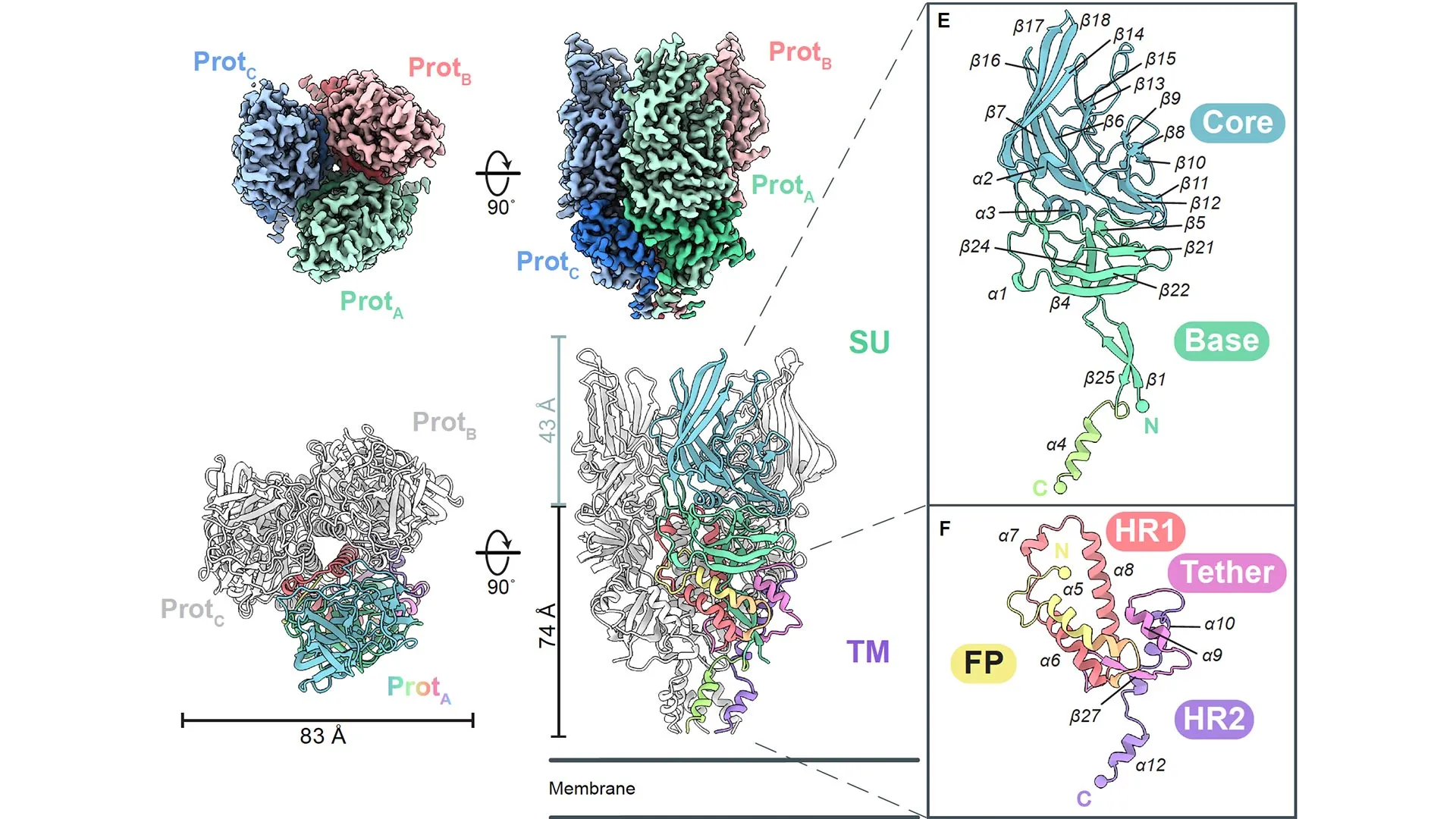
Scientists have discovered a unique class of small antibodies that are strongly protective against a wide range of SARS coronaviruses, including SARS-CoV-1 and numerous early and recent SARS-CoV-2 variants. The unique antibodies target an essential highly conserved site at the base of the virus’s spike protein, effectively clamping it shut and preventing the virus from…

Read More

Sugar shield restored: The breakthrough reversing brain aging and memory loss

In a compelling Genomic Press Interview published today in Brain Medicine, Sophia Shi, PhD, unveils her pioneering research that fundamentally changes our understanding of brain aging and opens revolutionary therapeutic pathways for Alzheimer’s disease and related neurodegenerative conditions. Uncovering the Brain’s Hidden Shield Dr. Shi’s groundbreaking work focuses on the glycocalyx, a complex “forest” of…

Read More

Smart nanoparticles launch genetic attack on lung cancer and cystic fibrosis

Scientists have made a key breakthrough for treating respiratory diseases by developing a new drug delivery system that transports genetic therapies directly to the lungs, opening promising possibilities for patients with conditions like lung cancer and cystic fibrosis. The research, led by Gaurav Sahay of Oregon State University’s College of Pharmacy, was conducted in collaboration…

Read More

Shocking brain cancer breakthrough: Electric fields supercharge immune assault

A new study led by Keck Medicine of USC researchers may have uncovered an effective combination therapy for glioblastoma, a brain tumor diagnosis with few available effective treatments. According to the National Brain Tumor Society, the average survival for patients diagnosed with glioblastoma is eight months. The study finds that using Tumor Treating Fields therapy…

Read More

How a common antibiotic fuels bacterial resistance

Antibiotics are supposed to wipe out bacteria, yet the drugs can sometimes hand microbes an unexpected advantage. A new study from Rutgers Health shows that ciprofloxacin, a staple treatment for urinary tract infections, throws Escherichia coli (E. coli) into an energy crisis that saves many cells from death and speeds the evolution of full-blown resistance….

Read More

Epilepsy is more common in patients with frontotemporal dementia than expected

According to a recent study, in patients with frontotemporal dementia (FTD), epileptic seizures are significantly more common than previously known. The discovery deepens understanding of the symptoms of this memory disorder and emphasises the importance of taking epileptic seizures into account in the treatment and monitoring of patients. Coordinated by Neurocenter Finland, this major project…

Read More

Molecular link between air pollution and pregnancy risks

A new study by Emory University researchers, published Thursday in Environmental Science & Technology, found that exposure to the tiny particles in air pollution during pregnancy can disrupt maternal metabolisms, altering key biological pathways. These changes were associated with increased risk of various negative birth outcomes, including premature birth. The study, which analyzed blood samples…

Read More

Guardrails, education urged to protect adolescent AI users

The effects of artificial intelligence on adolescents are nuanced and complex, according to a report from the American Psychological Association that calls on developers to prioritize features that protect young people from exploitation, manipulation and the erosion of real-world relationships. “AI offers new efficiencies and opportunities, yet its deeper integration into daily life requires careful…

Read More

Decades-old assumptions about brain plasticity upended

A new study from Pitt researchers challenges a decades-old assumption in neuroscience by showing that the brain uses distinct transmission sites — not a shared site — to achieve different types of plasticity. The findings, published in Science Advances, offer a deeper understanding of how the brain balances stability with flexibility, a process essential for…

Read More

Preventing chronic inflammation from turning into cancer

Chronic inflammatory bowel disease is challenging to treat and carries a risk of complications, including the development of bowel cancer. Young people are particularly affected: when genetic predisposition and certain factors coincide, diseases such as ulcerative colitis or Crohn’s disease usually manifest between the ages of 15 and 29 — a critical period for education…

Read More

Singing to babies improves their mood

Singing to your infant can significantly boost the baby’s mood, according to a recent Yale study published May 28 in Child Development. Around the world and across cultures, singing to babies seems to come instinctively to caregivers. Now, new findings support that singing is an easy, safe, and free way to help improve the mental…

Read More

Sustained in the brain: How lasting emotions arise from brief stimuli, in humans and mice

We don’t always understand our emotions, but we couldn’t lead normal lives without them. They steer us through life, guiding the decisions we make and the actions we take. But if they’re inappropriate or stick around for too long, they can cause trouble. Neuroscientists and psychiatrists, despite their best efforts, don’t understand nearly enough about…

Read More

Hitting the right notes to play music by ear

Learning to play music by ear is challenging for most musicians, but research from a team at the University of Waterloo may help musicians-in-training find the right notes. The Waterloo team analyzed a range of YouTube videos that focused on learning music by ear and identified four simple ways music learning technology can better aid…

Read More

Daytime boosts immunity, scientists find

The immune system is regulated by a body clock and is more active during the day, scientists at Waipapa Taumata Rau, University of Auckland have discovered. A breakthrough study, led by scientists at Waipapa Taumata Rau, University of Auckland, has uncovered how daylight can boost the immune system’s ability to fight infections. The team focused…

Read More

A dental floss that can measure stress

Chronic stress can lead to increased blood pressure and cardiovascular disease, decreased immune function, depression, and anxiety. Unfortunately, the tools we use to monitor stress are often imprecise or expensive, relying on self-reporting questionnaires and psychiatric evaluations. Now a Tufts interdisciplinary engineer and his team have devised a simple device using specially designed floss that…

Read More

Could AI understand emotions better than we do?

Is artificial intelligence (AI) capable of suggesting appropriate behaviour in emotionally charged situations? A team from the University of Geneva (UNIGE) and the University of Bern (UniBE) put six generative AIs — including ChatGPT — to the test using emotional intelligence (EI) assessments typically designed for humans. The outcome: these AIs outperformed average human performance…

Read More

Social connection is still underappreciated as a medically relevant health factor

Research confirms that social isolation and loneliness significantly impact health and mortality, even if not listed on death certificates. BYU psychology and neuroscience professor, Julianne Holt-Lunstad, has published extensively on the topic, including a landmark 2010 meta-analysis and a 2023 framework on assessment and treatment. She also served as lead scientist on the 2023 Surgeon…

Read More