Open-source software has become a major part of modern application development because it allows developers to build systems faster and more efficiently. However, using external libraries also introduces potential vulnerabilities that organizations may not immediately detect. This is where sca plays a valuable role in cybersecurity and software risk management. By examining open-source components and tracking dependency relationships, SCA tools help businesses identify hidden security issues before they become major threats affecting operations, customer trust, or compliance standards.
The Process Behind sca Risk Identification
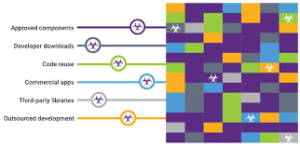
The main purpose of sca is to analyze all third-party libraries and packages included in an application. These tools create a complete inventory of direct and indirect dependencies used throughout the software environment. Once the inventory is generated, the system compares those components against public vulnerability databases and security advisories. This process allows organizations to discover outdated libraries, known exploits, and weak dependencies that may expose applications to cyberattacks or unauthorized access attempts from malicious actors.
Dependency Tree Analysis and Visibility
Modern applications often contain deep dependency chains where one package relies on multiple additional libraries. Developers may not always know every component included in the final software build. SCA solutions inspect these dependency trees to uncover hidden packages that could introduce security concerns. Instead of focusing only on visible libraries, sca examines nested dependencies as well. This deeper visibility helps organizations understand how external code enters their systems and which components require updates or immediate security attention.
Comparing Components with Vulnerability Databases
One of the most important functions of sca tools is cross-referencing software components against trusted vulnerability databases. These databases contain records of publicly disclosed security flaws affecting open-source packages. When vulnerable libraries are detected, the system alerts developers with details about severity levels, affected versions, and recommended fixes. This automated comparison process enables faster remediation efforts and reduces the chances of vulnerable dependencies remaining unnoticed within production environments for extended periods of time.
Early Detection During Development
Traditional security testing often occurs late in the software development lifecycle, making vulnerability remediation more difficult and expensive. SCA tools improve efficiency by identifying risks earlier during coding and integration stages. Development teams receive immediate notifications whenever insecure dependencies are introduced into projects. Businesses working with platforms such as swarmnetics.com often value this proactive approach because it supports secure development practices while minimizing delays associated with late-stage security discoveries and emergency patching activities after deployment.
Difference Between SCA and Secure Code Reviews
Although both approaches improve software security, they focus on different areas of application protection. Secure code reviews analyze custom-written application logic to detect coding mistakes and implementation flaws created by developers. In contrast, sca focuses specifically on third-party software components that organizations did not create themselves. This distinction matters because open-source vulnerabilities can impact applications even when internal code follows secure development standards. Monitoring external dependencies therefore becomes a critical part of reducing overall software supply chain risk.
Why SCA Is Essential for Modern Organizations
Cybercriminals increasingly target software supply chains because vulnerabilities in widely used libraries can affect thousands of organizations simultaneously. Without proper monitoring, outdated components may remain active inside applications for years. Implementing sca helps companies continuously monitor dependencies, automate vulnerability tracking, and maintain stronger visibility across software ecosystems. As development environments continue evolving with cloud services and DevOps practices, SCA will remain an essential security strategy for protecting applications, maintaining compliance, and reducing exposure to open-source security threats.