Key takeaways
New planning code aims to cut approval times by up to 60% for developments that meet standardised rules (design, setbacks, tree cover).
No VCAT appeals or back-and-forth with councils if the project complies with the code.
Code applies to 1-3 storey buildings, but local councils can still impose their own rules (e.g., heritage overlays), potentially slowing things down.
A separate 4-6 storey code is in the works, but details are still unclear.
Imagine a system where building a townhouse feels like playing a game of snakes and ladders—except the snakes are endless paperwork, delays, and appeals.
That’s what Victoria’s planning process has been like for developers.
But the state government just rolled out a new rulebook to shake things up.
Premier Jacinta Allan and Planning Minister Sonya Kilkenny announced a Townhouse and Low-Rise Code that in their words is all about speed.
The proposal is that if a proposed townhouse or medium-density apartment development project meets the code’s standards (think design, setbacks, tree cover), it gets a green light—no VCAT appeals, no endless back-and-forth with councils.
The premier suggested that the aim of this is to lash approval times by up to 60% and get more homes built faster.

Why now?
Victoria needs 2.24 million new homes by 2051 to keep up with demand, especially for young workers and families.
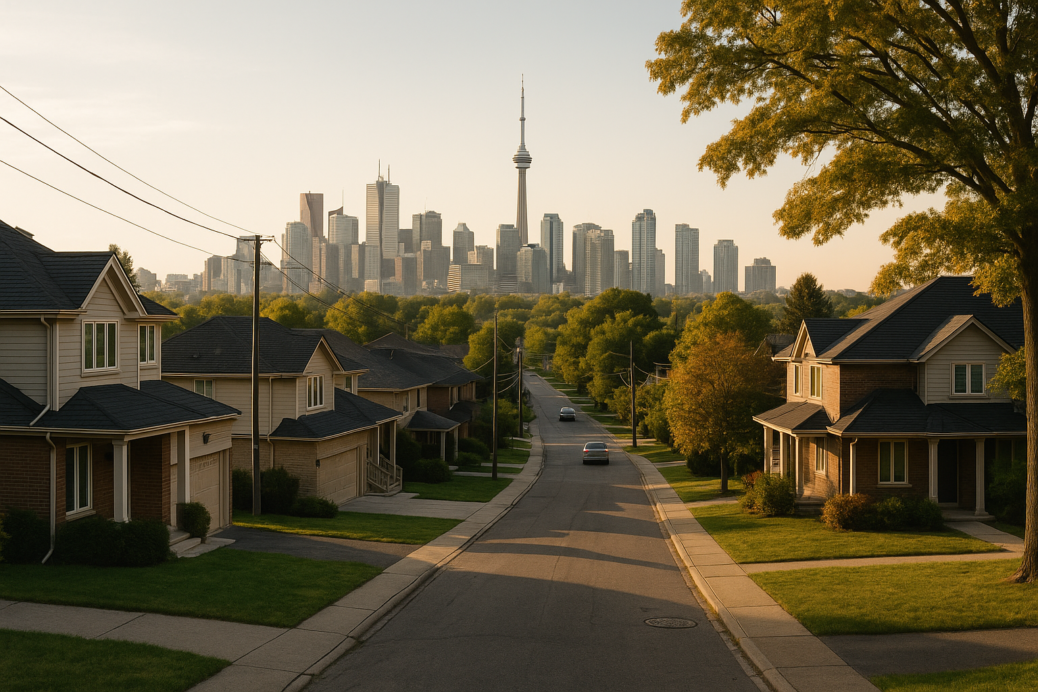
The new code targets in-fill development, in other words, new developments in existing suburbs near transport and jobs, instead of sprawling into outer suburban greenfield sites.
Sure, it’s a smart move for sustainability, but let’s be real: this is also an election year.
I don’t really think the timing of this announcement is accidental.
The government wants to look proactive on housing, as housing affordability is a top voter concern.
The devil’s in the details
The new planning code standardises rules for 1-3 storey buildings, so developers don’t have to reinvent the wheel each time.
But here’s the catch: local councils can still add their own rules (like heritage overlays), which might slow things down.
The government is also working on a code for 4-6-storey buildings, but that’s still in the works.
Is this a game-changer?
The new planning code aims to simplify and expedite the approval process for in-fill townhouse developments, which have often been bogged down by bureaucratic hurdles and lengthy approval times.
By reducing red tape, the government hopes to encourage more developers to undertake in-fill projects, thereby increasing the supply of housing in established urban areas where demand is high.
Streamlining approvals could unlock more housing in areas where people actually want to live.
However, this will not deliver affordable housing, as land in the middle ring suburbs is expensive and construction costs still rising, even though more slowly than they have been over the last couple of years.
The elephant in the room: politics
Critics might say this is a pre-election sweetener.
But even if it is, does that matter if it works?
The real test will be how many homes actually get built.
The Property Council of Australia praised the code but warned that taxes (like land tax) still stifle investment.
They say without fixing those, even streamlined approvals won’t solve everything.
The bottom line
This code is a step in the right direction, but it’s just one piece of the puzzle.
However, it is crucial to manage expectations regarding its short to medium-term impact and to consider the political motivations behind the announcement.
By focusing on streamlining the planning process, particularly for in-fill townhouse development, Victoria can make more efficient use of its urban land and move towards a more sustainable and inclusive housing future.