flexible circuit boards contribute to miniaturization
Flexible circuit boards are pivotal in the ongoing trend toward miniaturization in electronic devices, offering a range of advantages that facilitate smaller, lighter, and more efficient designs. As technology advances, the demand for compact electronic devices across various industries has intensified, driving engineers and designers to seek innovative solutions to reduce size without compromising functionality. Flexible circuit boards play a crucial role in this process, enabling the integration of complex electronic components into increasingly smaller footprints.
One of the primary ways flexible circuit boards contribute to miniaturization is through their ability to conform to various shapes and spaces. Unlike traditional rigid circuit boards, flexible circuits can bend, twist, and wrap around other components, allowing designers to utilize available space more effectively. This adaptability means that electronic systems can be designed in three dimensions rather than being limited to a flat, two-dimensional layout. As a result, flexible circuits enable the creation of compact assemblies that can fit into tight spaces, making them ideal for applications such as wearable devices, medical implants, and mobile electronics.
Another significant advantage of flexible circuit board is their capacity to integrate multiple functions into a single unit. By using multilayer designs, manufacturers can incorporate various electronic components, such as resistors, capacitors, and integrated circuits, into one board. This integration not only saves space but also simplifies the assembly process by reducing the number of individual components that need to be connected. Fewer components mean shorter interconnections, which can enhance signal integrity and reduce the risk of failure due to mechanical stress or thermal cycling. This streamlined approach contributes to the overall reliability of the device, further supporting the goal of miniaturization.
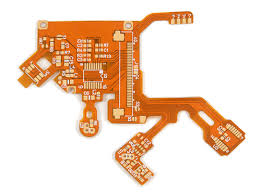
How do flexible circuit boards contribute to miniaturization?
The lightweight nature of flexible circuit boards is another factor that enhances their contribution to miniaturization. Traditional circuit boards can be quite heavy, which poses challenges for applications where weight is a critical consideration, such as in aerospace, automotive, and portable electronic devices. Flexible circuits, constructed from thin materials, significantly reduce the overall weight of the electronic assembly. This reduction in weight not only aids in achieving smaller form factors but also improves energy efficiency and portability, aligning with consumer preferences for lightweight and compact devices.
Moreover, flexible circuit boards enable the design of highly efficient thermal management systems, which are essential for miniaturized electronics that often generate significant heat in constrained spaces. By facilitating better heat dissipation through thoughtful design and material choices, flexible circuits can help prevent overheating, thus enhancing the performance and longevity of the devices. Efficient thermal management is particularly important in compact electronic systems where excessive heat can lead to failure or degradation of components.
Flexible circuit boards also support the trend of modular design in electronics, where components can be easily swapped or upgraded without redesigning the entire system. This modularity allows manufacturers to create smaller, more versatile products that can be customized to meet specific user needs or technological advancements. The ease of integrating flexible circuits into modular designs facilitates quicker prototyping and reduces time to market, which is crucial in fast-paced industries like consumer electronics.
Finally, the manufacturing processes associated with flexible circuit boards have evolved to support high-volume production of miniaturized devices. Advanced fabrication techniques, such as laser cutting and precision etching, enable the production of intricate designs with high accuracy, allowing for smaller features and tighter tolerances. These advancements not only support the miniaturization of circuit boards but also ensure that the reliability and performance of the devices are maintained.