Beginner Piano Transcriptionist Make
A beginner piano transcriptionist is a musician who writes down the melody of a song from an audio recording, as well as any accompanying chords. The transcriptionist may also create a score for the piece, to be used as a guide when practicing. Piano transcription is often considered one of the most challenging skills in music, but many musicians find it very rewarding.
In general, a pianist who transcribes songs is known as a “musician’s accompanist,” and they can be paid to do this work for other musicians. In particular, a pianist may be hired to transcribe orchestral or other instrumental pieces for use on piano. They might also be hired to transcribe musical improvisations for other musicians to play.
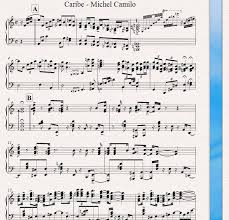
Choosing the right music to transcribe is very important. It must be music that is both familiar and that you know you can play at a reasonable level. Beginner classical music is great for this. Pop and theme-tune arrangements are often very difficult to transcribe, as they tend to be poorly arranged for the piano. Moreover, they can be very complicated musically – and it is not uncommon for these transcribed pieces to sound awful!
https://tartalover.net/nicole-pesce
How Much Does a Beginner Piano Transcriptionist Make?
The process of transcription is very time consuming and requires a lot of patience. It’s also important to start with a good quality audio recording, so that you can clearly hear what each note is doing. There are also a number of apps and software programs that will help you with this process, by slowing down the music for you to make it easier to hear the individual notes and harmonies.
https://m.youtube.com/@tartalover2682/videos
Another key aspect to learning piano transcription is understanding how to read music. This is an essential skill, and it’s not possible to be a serious musician without being able to read music. There are very few pianists who have ever regretted learning to read music, and it is something that every beginning piano student should take the time to learn.
Once you’ve learned to read music, you can take it to the next level by transcribing songs by ear. This is very similar to writing by hand, but instead of writing out each note you hear, you can focus on identifying landmark notes, i.e. notes that you know to be a step up or down from other adjacent notes, and then navigate the rest of the notes using those landmarks. You can also use functional harmony analysis to help with memorising songs. This is a process where you look at the harmonic structure of the song and try to figure out what notes should be played where, based on the overall shape of the melody and chords.
Remember that transcribing is part hearing and part deduction. Sometimes what you think you hear isn’t actually what is being played – it could be that the bass line is a different key than the melody, or that there is a harmonic element that is influencing what you think you are hearing. So don’t get discouraged if your first attempts at transcription don’t come out very well – it takes practice to be able to listen to a piece of music and understand its harmonic structure, as well as how to play it on the piano.