key features to look for in a pcb flex rigid manufacturer
Selecting the right manufacturer for PCB flex-rigid boards is crucial to ensure the success of your electronic product. With numerous manufacturers offering a range of services, it’s essential to consider several key features that distinguish top-quality providers in this specialized field. From expertise and manufacturing capabilities to quality control processes and customer support, here are the key features to look for when choosing a PCB flex-rigid manufacturer.
Expertise and Experience: An experienced manufacturer with expertise in flex-rigid PCB fabrication is essential for ensuring the quality and reliability of your boards. Look for a company that has a proven track record in producing flex-rigid PCBs for diverse applications, including medical devices, aerospace systems, automotive electronics, and consumer electronics. Their experience should encompass designing, manufacturing, and testing flex-rigid boards to meet stringent industry standards and regulatory requirements.
Advanced Manufacturing Capabilities: Choose a manufacturer equipped with state-of-the-art facilities and advanced manufacturing capabilities tailored to pcb flex rigid production. This includes precision drilling, routing, and etching equipment capable of handling complex designs with high accuracy and repeatability. Advanced technologies such as laser drilling and controlled impedance matching should be available to meet the specific requirements of your application.
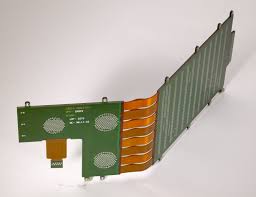
What are the key features to look for in a pcb flex rigid manufacturer?
Quality Control Processes: A reputable flex-rigid PCB manufacturer should have robust quality control processes in place to ensure the reliability and consistency of their products. Look for certifications such as ISO 9001 and AS9100, which demonstrate adherence to rigorous quality management standards. Additionally, inquire about the manufacturer’s inspection procedures, testing protocols, and defect detection methods to ensure that every PCB meets the specified requirements and standards.
Comprehensive Design Support: Choose a manufacturer that offers comprehensive design support services to assist you throughout the PCB development process. This includes DFM (Design for Manufacturability) analysis, layout optimization, and prototype fabrication to validate your design before mass production. Experienced engineers should be available to provide guidance and recommendations for optimizing your flex-rigid PCB design for performance, reliability, and cost-effectiveness.
Customization and Flexibility: Flex-rigid PCBs often require customization to meet the unique requirements of each application. Look for a manufacturer that offers flexibility in terms of material selection, layer stack-up configurations, and production volumes. They should be capable of accommodating design changes and providing rapid prototyping services to expedite the development process and meet tight project deadlines.
Reliable Supply Chain: A reliable supply chain is essential for ensuring timely delivery of your flex-rigid PCBs and minimizing production delays. Choose a manufacturer with established relationships with trusted suppliers of raw materials, components, and substrates. This ensures access to high-quality materials and components at competitive prices, reducing the risk of supply chain disruptions and project setbacks.
Environmental and Regulatory Compliance: Ensure that the manufacturer adheres to environmental regulations and industry standards relevant to flex-rigid PCB production. This includes compliance with RoHS (Restriction of Hazardous Substances) directives, REACH (Registration, Evaluation, Authorization, and Restriction of Chemicals) regulations, and IPC (Association Connecting Electronics Industries) standards. Certification and documentation demonstrating compliance with these regulations should be readily available upon request.
Responsive Customer Support: Choose a manufacturer that prioritizes customer satisfaction and provides responsive and reliable customer support throughout the production process. They should be accessible via multiple communication channels and be proactive in addressing any concerns or issues that may arise during the project. Look for testimonials and reviews from past clients to gauge the manufacturer’s reputation for customer service and support.