Key takeaways
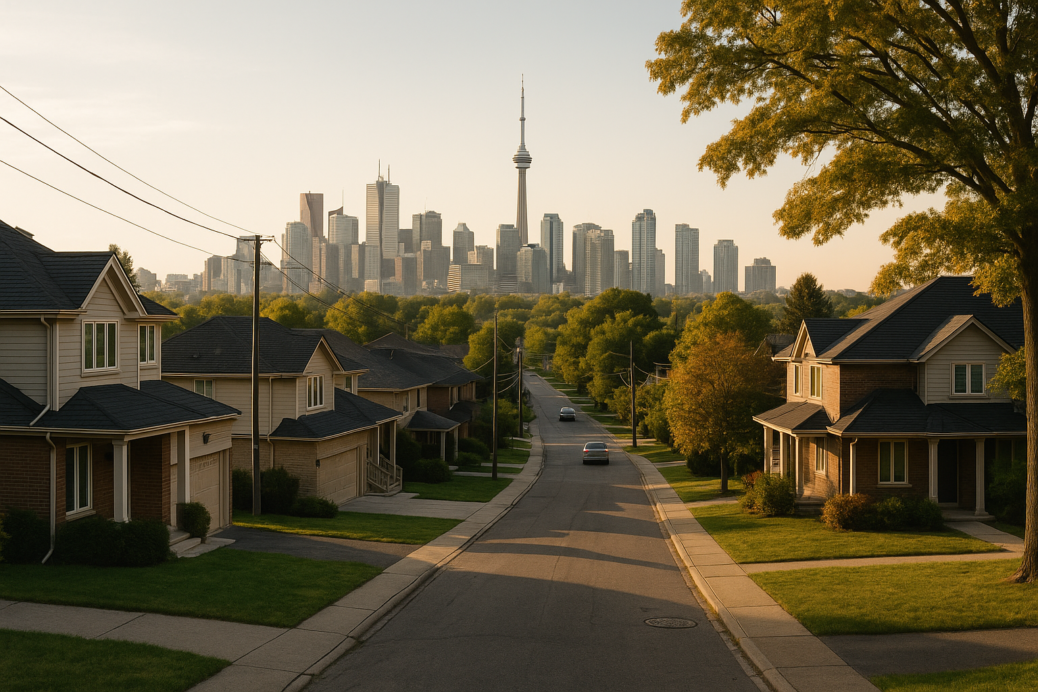
It’s no secret that Australia’s major cities are facing a housing crisis, but the “missing middle” – medium-density housing options like townhouses, duplexes, and low-rise apartments – are conspicuously absent in many of our capital cities.
The rigid planning and zoning regulations in many of our cities have effectively squeezed out the medium-density options, leaving little room for the townhouses and low-rise apartments that could cater to a diverse range of demographics.
Community resistance and NIMBYism are common obstacles to medium-density housing development. These fears and misconceptions often lead to delays in development or outright rejection of projects that could add much-needed diversity to our housing stock.
The missing middle is underrepresented in our housing market because developers are inclined to stick with what works best for their bottom line, which is high-density apartment blocks in inner areas or sprawling estates on the fringes.
Densifying and gentrifying our middle-ring suburbs is the solution to fix the missing middle problem, because it makes better use of the infrastructure that’s already in place and helps make public transport more viable.
Australia’s housing landscape is missing middle, but we can create vibrant, diverse communities that offer more affordable and sustainable housing options. By densifying and gentrifying our middle-ring suburbs, we are investing in the long-term liveability and prosperity of our cities.
It’s no secret that Australia’s major cities are facing a housing crisis.
With affordability at an all-time low and the dream of homeownership becoming more elusive for many, there’s one crucial piece missing from our housing puzzle – the “missing middle.”
This term refers to medium-density housing options like townhouses, duplexes, and low-rise apartments, which sit between high-rise developments and traditional detached homes.
These housing types have historically offered a more affordable option, yet they’re conspicuously absent in many of our capital cities.
So, why is there this gap in our housing market, and more importantly, how can we address it?
Why Is the “Missing Middle” Missing?

To understand why the missing middle exists, we need to examine the factors that have led to this situation.
- Planning Policies and Zoning Restrictions
One of the most significant obstacles to developing the missing middle is the rigid planning and zoning regulations in many of our cities.
For years, local councils have favoured either high-rise apartment buildings in the inner city or near CBD locations or traditional single-family homes in the outer suburbs.
This has effectively squeezed out the medium-density options, leaving little room for the townhouses and low-rise apartments that could cater to a diverse range of demographics.
Many of our middle-ring suburbs are zoned for low-density residential use, meaning that building anything other than a single-family home is either not permitted or subject to a lengthy and complex approval process.
In contrast, high-density areas have been zoned around train stations or on main roads to allow for the development of high-rise apartments, leading to an abundance of these types of dwellings in certain parts of our cities, but not much in between.
- Community Resistance and NIMBYism
We can’t talk about the missing middle without acknowledging the role that NIMBYism (“Not In My Backyard”) plays.
Residents in established suburbs often resist any form of change, especially when it comes to increasing housing density.
This resistance stems from concerns about increased traffic, loss of green space, or a perceived decline in property values.
While it’s understandable that people want to preserve the character of their neighbourhoods, this mindset has made it incredibly difficult to introduce medium-density housing, even when it makes perfect sense.
Unfortunately, these fears and misconceptions often lead to delays in development or outright rejection of projects that could add much-needed diversity to our housing stock.
- Economic Factors and Developer Preferences
It’s not just the councils and residents at fault – developers also play a role.
There’s a higher financial incentive for developers to focus on either high-density apartment blocks in inner areas or sprawling estates on the fringes.
This is because, up until recently, the economies of scale for larger developments make them more profitable.
In contrast, medium-density projects can be more challenging to finance and execute, with potentially lower profit margins, making them less appealing to developers.
Consequently, developers are inclined to stick with what works best for their bottom line, leaving the missing middle underrepresented in our housing market.
This has only been exacerbated by rising land prices, which further discourage medium-density development, as developers need to maximize the return on investment.

Why densifying and gentrifying our middle-ring suburbs is the solution
So what can we do to fix the missing middle problem?
The answer lies in looking at our middle-ring suburbs, the areas 10-25 kilometres from the city centre.
These suburbs are prime candidates for densification and gentrification, and here’s why:
- Efficient Use of Infrastructure
Many of our middle-ring suburbs already have established infrastructure – think public transport, schools, shops, parks, sports fields and other amenities.
By increasing housing density in these areas, we can make better use of the infrastructure that’s already in place.
It’s far more efficient and sustainable to build up and around existing infrastructure than to continue sprawling outwards, which requires costly new infrastructure investments.
Moreover, densifying these areas can help make public transport more viable.
As populations increase, so does the demand for better transport services, which leads to improvements that benefit everyone in the community.
- Creating Diverse and Vibrant Communities
Densification doesn’t have to mean rows of identical townhouses or soulless apartment blocks.
It can be done in a way that adds diversity, vibrancy, and character to our neighbourhoods.
By encouraging a mix of housing types – from terrace or townhouses to low-rise apartments – we can create opportunities for people from all walks of life to live in these areas.
This diversity is crucial because it fosters a sense of community and inclusivity, where people of different ages, incomes, and backgrounds can interact.
It’s about creating neighbourhoods where families, young professionals, downsizers, and retirees can coexist, all enjoying the benefits of living in a well-connected, amenity-rich area.
- Providing More Affordable Housing Options
One of the main reasons we need to address the missing middle is to provide more affordable housing options for Australians.
As house prices continue to soar, medium-density housing offers a viable alternative for those who are priced out of the detached housing market but don’t want to live in a high-rise apartment.
By allowing more townhouses, terraces, and low-rise apartments in our middle-ring suburbs, we can offer options that cater to a broader range of budgets.
This type of housing also tends to be more adaptable to changing family needs, offering flexibility for different life stages.
It means residents will trade their desire for backyards for courtyards and make more use of public amenities.
In essence, it’s about providing choice, and the missing middle fills the gap between high-density living and the traditional Aussie dream of a standalone house with a backyard.
The way forward: how to fill the missing middle
Addressing the missing middle isn’t just about rezoning land and loosening regulations, though that’s undoubtedly a significant part of the solution.
Here’s how we can start filling this gap:
- Reforming Planning Policies: Governments and local councils need to revisit zoning regulations and planning policies to allow for more medium-density development. This could mean rezoning parts of our middle-ring suburbs to encourage a mix of housing types.
- Community Engagement: To overcome resistance, it’s essential to engage with communities and help them understand the benefits of medium-density housing. When people see how densification can improve their local area – with better public transport, more vibrant shops, and a stronger sense of community – they’re more likely to support it.
- Incentivizing Developers: Governments could consider offering financial incentives or grants to developers willing to take on medium-density projects. This could help offset some of the financial risks and encourage more developers to focus on filling the missing middle.
- Supporting Innovation: We should encourage innovative design solutions that make medium-density housing attractive and functional. Think of developments that incorporate green spaces, communal areas, and smart design principles that respect the character of existing neighbourhoods.

Some final thoughts
The missing middle is a glaring gap in Australia’s housing landscape, but it doesn’t have to be.
By densifying and gentrifying our middle-ring suburbs, we can create vibrant, diverse communities that offer more affordable and sustainable housing options.
It’s time we rethink our approach to urban development, embrace medium-density housing, and build the kind of cities that future generations can thrive in.
In addressing the missing middle, we’re not just solving a housing problem; we’re investing in the long-term liveability and prosperity of our cities.
It’s time to stop sprawling outwards and start building smarter in the spaces we already have.
A case study:
For the last 26 years, Metropole has specialised in developing townhouses in the “missing middle” for our clients.
We handle the whole project from concept to completion allowing them to become what I call “armchair developers.”
For instance, our client owned an aging house on a prime block in the Melbourne suburb of Bentleigh.
Metropole Developments provided them with a detailed feasibility study showing them the profit potential of undertaking development and replacing the old house with two stylish, modern townhouses.

Here’s how this savvy move paid off:
- Capital Growth on Steroids: By developing two townhouses, they didn’t just rely on the market to increase their property value—they created instant equity, significantly boosting their net worth.
- Maximized Rental Income: Their two new townhouses attracted quality tenants willing to pay top rent for the location and amenities, resulting in a strong, steady rental income that will grow significantly over time.
- Tax Depreciation Perks: Substantial tax depreciation allowances further enhanced their cash flow, making this project virtually positively geared toward completion.
And the best part?
The team at Metropole took care of the whole project for our client.
Now you can become a property developer and acquire your next investment property at the developer’s cost! Click here and ask us how