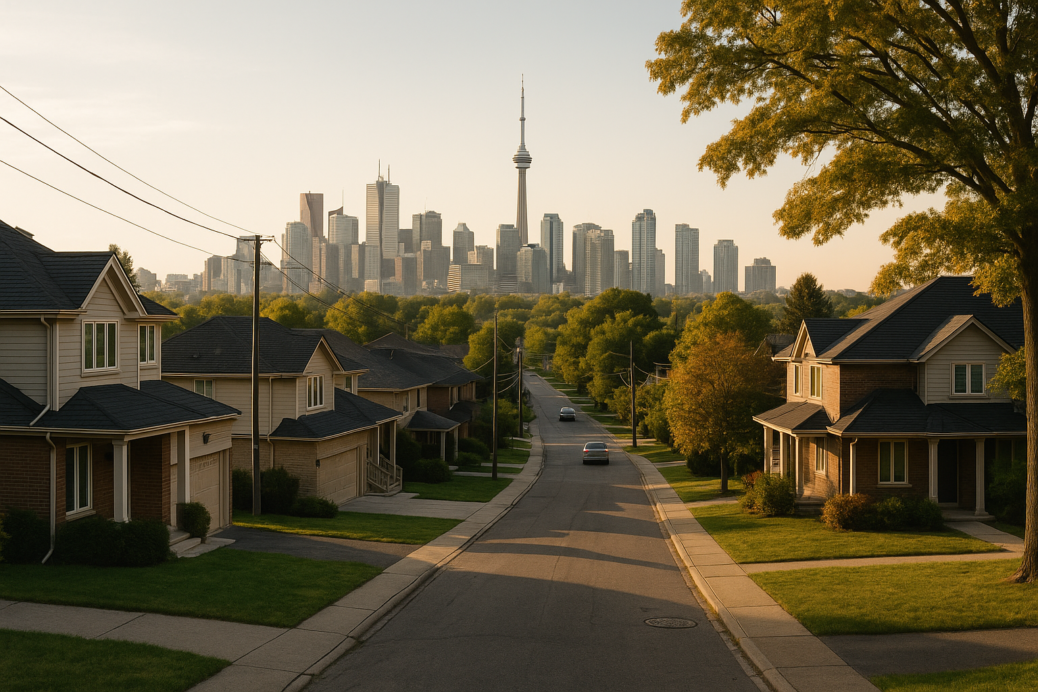
When it comes to housing affordability in Australia, many factors are often blamed: negative gearing, high interest rates, investors, developers, migrants, students, planners, government policies—the list goes on.
While the reasons are complex, there is one simple reality: if we build enough homes where people want to live, housing becomes more affordable.
According to Nerida Conisbee, Chief Economist at Ray White, we need to increase housing density to build enough homes in desirable areas.
However, this poses a challenge because many people dislike higher densities around them, and most of us aren’t used to living in much smaller homes.
She further explained:
“Australia has very low levels of housing density. In cities like London, Singapore, and Hong Kong, over 80 percent of homes are either apartments or townhouses.
In contrast, Sydney has just 46 percent, and Hobart has an extremely low level of only 15 percent of homes being units.
Even when comparing smaller cities worldwide, Australia’s housing densities are extraordinarily low. For instance, Norman, Oklahoma, the least dense small city in the US, still has close to 35 percent of homes as units.”

Building density: a mixed record
In the past decade, Australia has improved in building high-density housing.
Ms Conisbee’s research shows that in the 12 months leading up to August 2016, over half of residential building approvals were for high-density housing.

However, a loss of foreign investment caused a significant decline towards the end of the decade, with a slight recovery during the pandemic.
Yet, we are now seeing another downward trend.
Over the past year, only 37 per cent of approved homes have been units, indicating we are not on track to building more homes in desirable locations.
Currently, Canberra is the only city consistently building more units than houses, with more than three times as many units approved as houses over the past decade.

New South Wales is also building more units than houses, but the gap is relatively small.
In Hobart, only 10 per cent of approved homes are units.
In areas with a high number of units, housing affordability is better for both buyers and renters.
The uncomfortable reality and path forward
Ms Conisbee commented that to achieve housing affordability, we need to get used to living in smaller homes.
Even with relatively low densities, most cities have affordable units but not affordable houses.
She further commented:
“For example, a first-home buyer in Melbourne might afford a unit in Collingwood at $650,000 but struggle with a house where the median price is close to $1.2 million.
In Brisbane, a median-priced apartment in Paddington costs $620,000 compared to a house at $1.75 million.
With the exception of inner Sydney, most suburbs with apartments across Australia have affordable homes available—as long as those homes aren’t houses.”
She also noted that we won’t achieve the goal of 1.2 million homes over the next five years if most of them are single detached dwellings:
“Larger homes are more expensive to build, and urban sprawl is costly to service adequately.
We can’t create more land in desirable suburbs, but we can build more homes by building upwards or closer together.
Additionally, we don’t need to keep building bigger homes as household types are changing. Single-person households are the fastest-growing segment, and average household sizes are shrinking.”